Skip to content

Topic: awareness

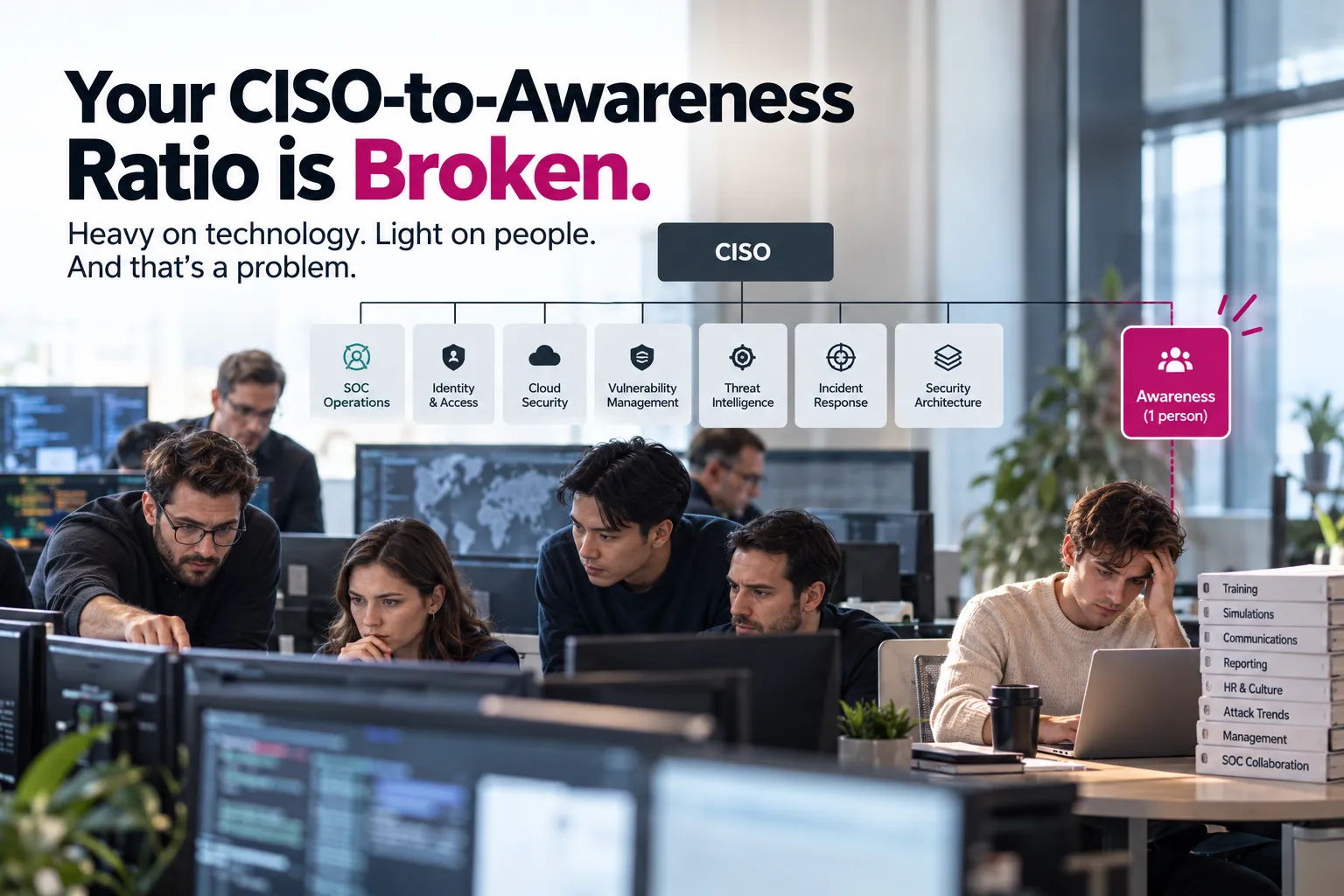
An organisation chart of a security team: 49 people working on technology and a single person responsible for the human side of cybersecurity
awarenessYour CISO-to-Awareness Ratio Is Broken. It's Sabotaging Your Defense

Boards spend most of their cyber time on technology. One number from the 2026 SANS Security Awareness & Culture Report works surprisingly well as a management indicator: a cybersecurity staffing ratio of at least one human-focused professional for every ten technical ones.


Two CYBERDISE phishing simulation templates: a shared document behind a fake Cloudflare CAPTCHA (ClickFix), and a fund release portal from the fictional Royal Kingdom of Zuvania
phishing4 Phishing Simulation Templates for Human Defense Month 2026

From ClickFix to the Prince of the Royal Kingdom of Zuvania ;-) Four phishing simulation templates for Human Defense Month 2026, ready to import into CYBERDISE. Because phishing doesn’t always have to be boring.

Security awareness professional at his desk next to average salaries of €92K in Europe and $131K in the US and a checklist of awareness duties
awarenessSecurity Awareness Salary: Are Awareness Professionals Underpaid?

In Europe, a security awareness professional earns €92K (about $107K) on average, in North America $131K, according to the 2026 SANS Security Awareness & Culture Report. Set against everything the same report expects of the role, that is less a pay question than a priority question.

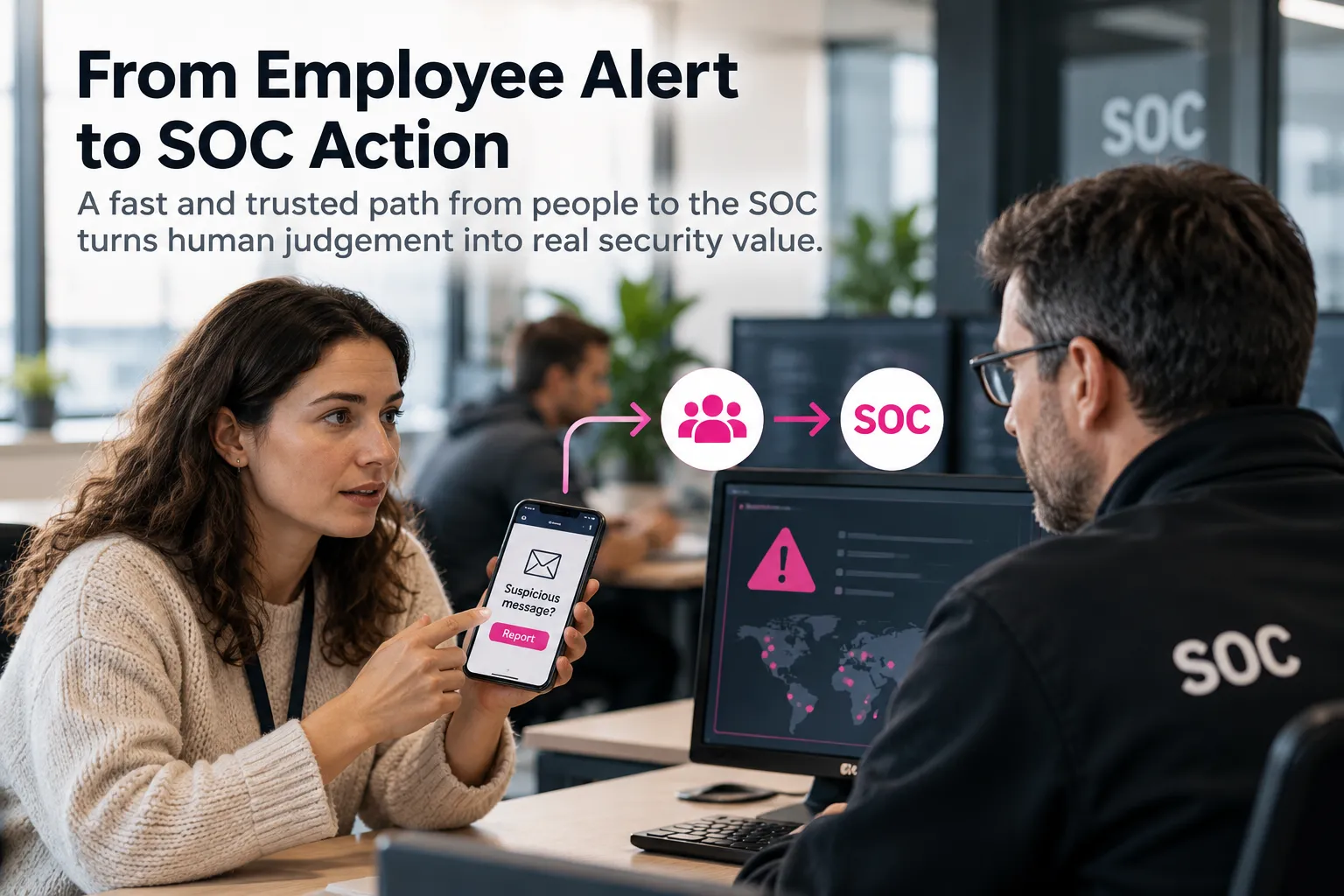
An employee shows a colleague from the SOC the suspicious message she just reported on her phone, under the headline From Employee Alert to SOC Action
awarenessWe Finally Have a Flawless Security Culture Action Plan

The SANS 2026 security culture action plan is barely about content. A CEO and board member on why that means rewriting your awareness strategy and bringing the SOC closer to employees.

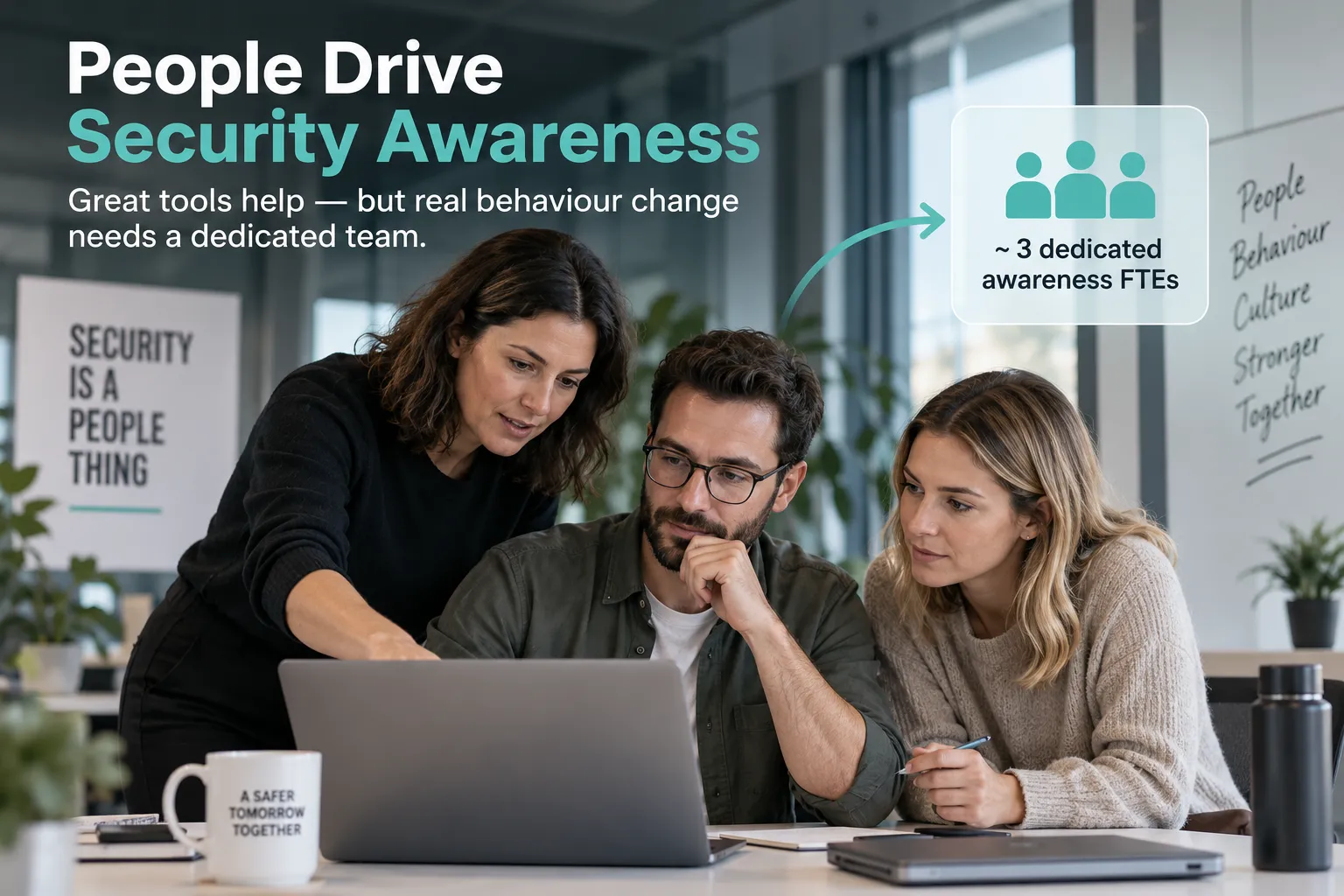
Three colleagues reviewing an awareness campaign together, with a callout reading approximately three dedicated awareness FTEs
research8 Hard Truths About Security Awareness Team Size (SANS 2026)

I read the new SANS Security Awareness & Culture Report from a slightly unusual perspective: I manufacture security awareness software. What stayed with me was security awareness team size, not tooling — here are my eight takeaways, including a conclusion I fundamentally disagree with.

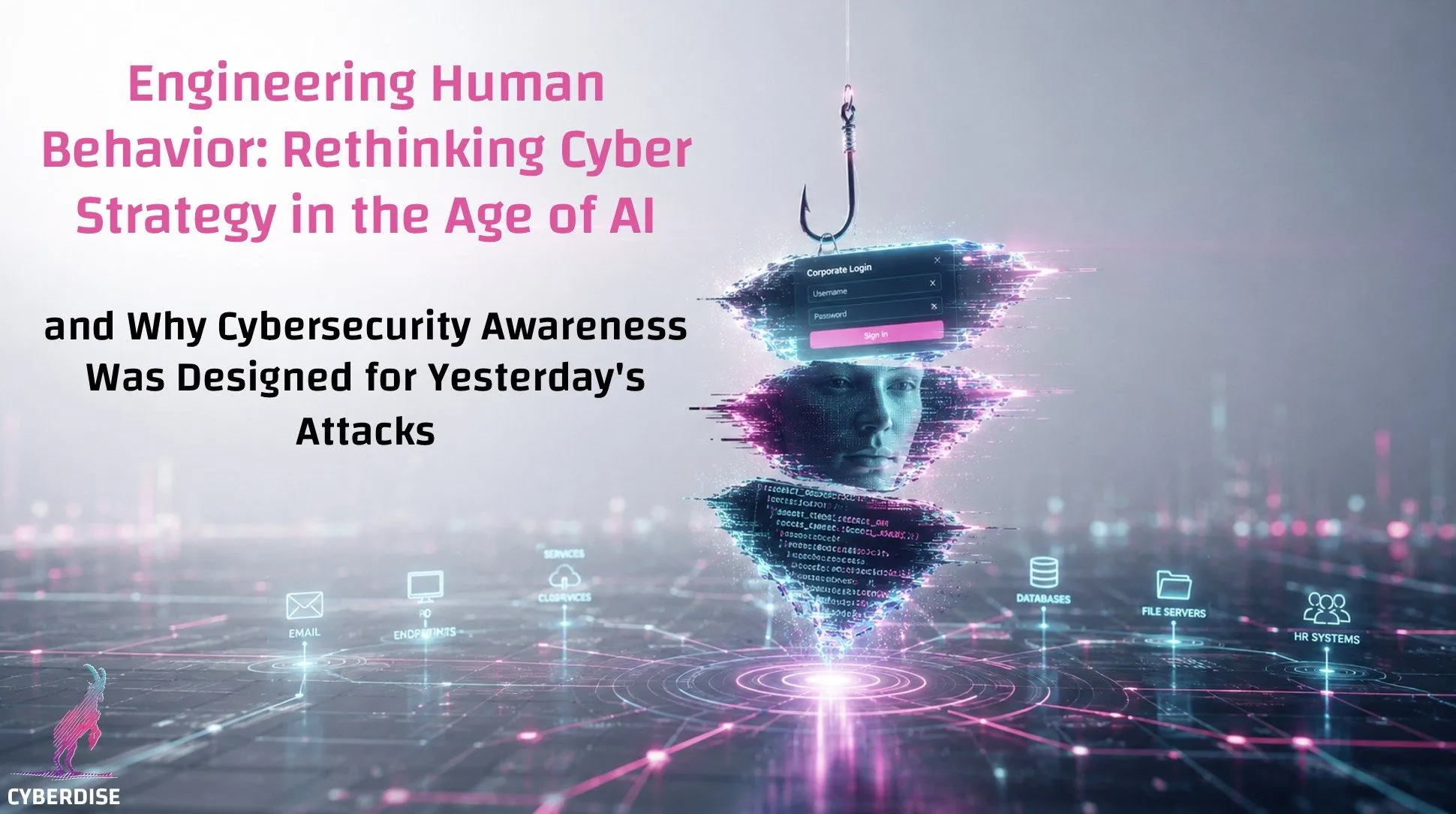
Phishing hook pulling a corporate login prompt and a human face made of data down into a company's email, endpoints, cloud, databases and HR systems
awarenessCybersecurity Awareness Was Designed for Yesterday’s Attacks

AI lets attackers produce convincing attacks at almost no cost, and people are now the largest and fastest-growing attack category. This essay explains why annual training can't keep pace, and why behaviour changes most when people repeatedly make decisions under realistic conditions.

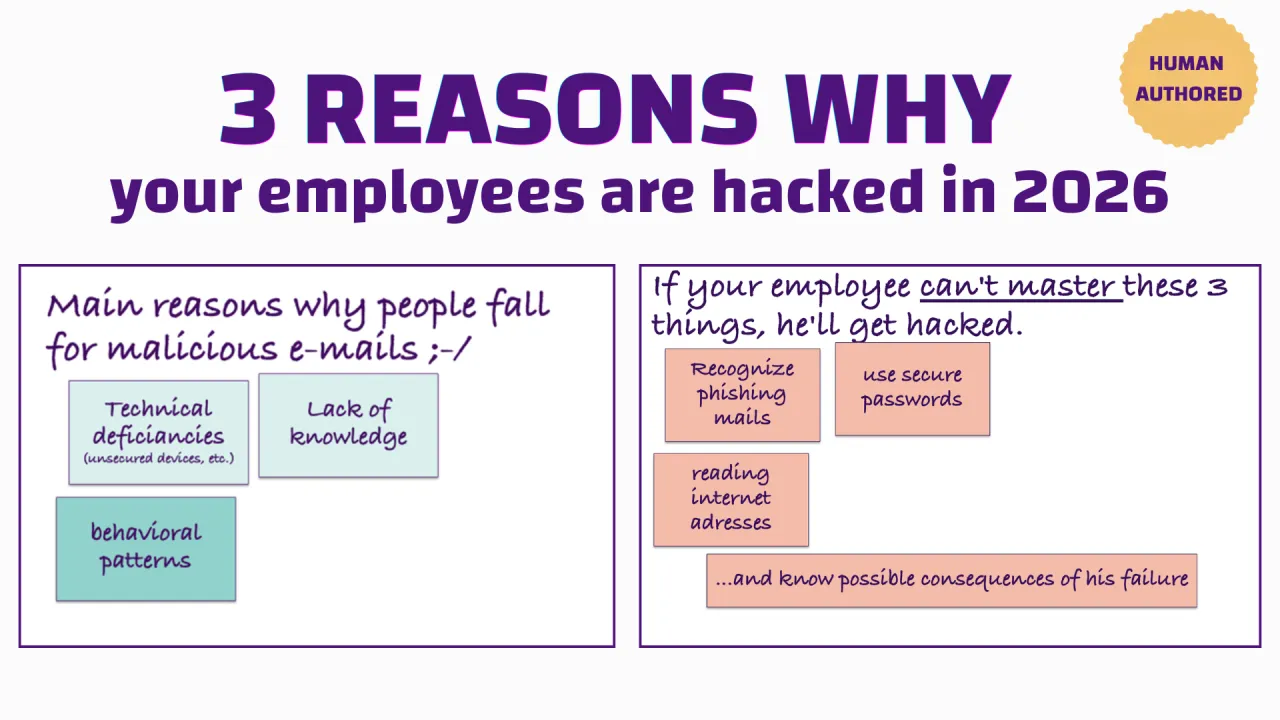
Title card "3 Reasons Why your employees are hacked in 2026": notes naming the main reasons (technical deficiencies, lack of knowledge, behavioral patterns) and the three things employees must master (recognize phishing mails, use secure passwords, read internet addresses)
human-riskThe Three Reasons Why Employees Get Hacked

Nearly half of all successful cyberattacks start with a negligent employee. Search engines will tell you it comes down to phishing, weak passwords and careless data handling. Look closer and all three say the same thing: this is about people.

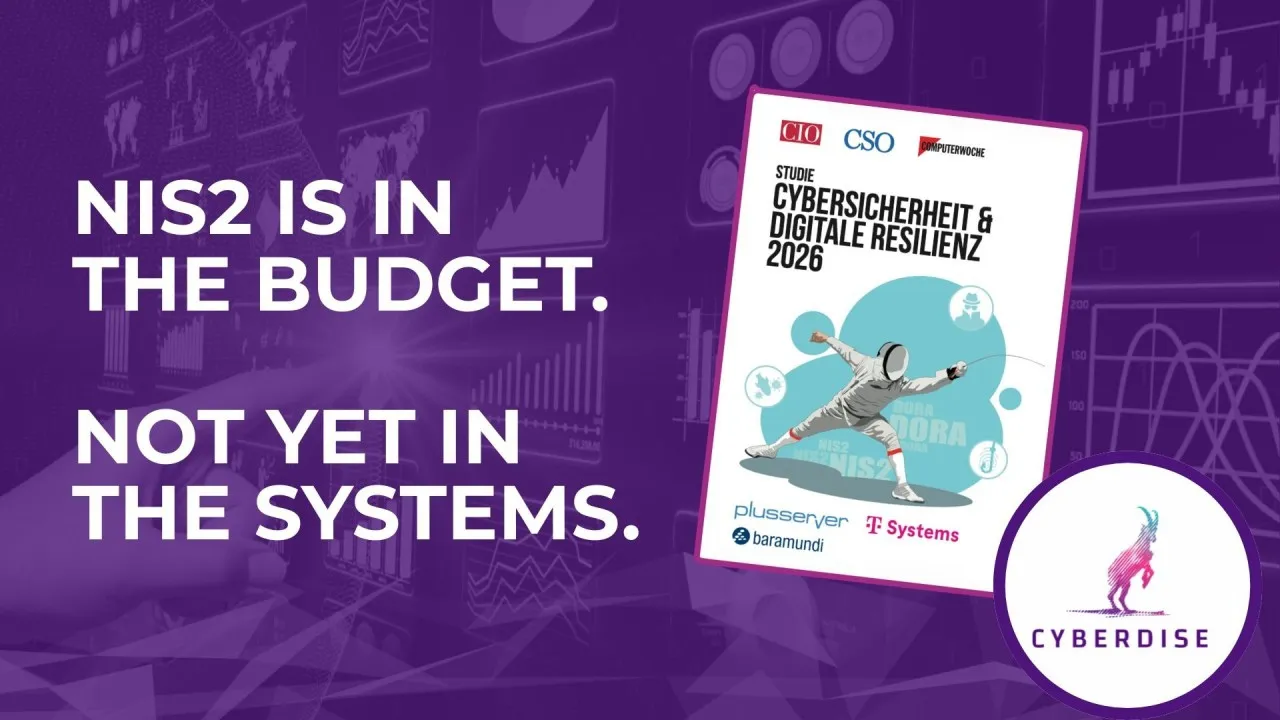
Title card: "NIS2 is in the budget. Not yet in the systems." with the cover of the CIO/CSO/Computerwoche study
awarenessNIS2 Is in the Budget - Not Yet in the Systems

A study by CIO / CSO / Computerwoche, based on 324 interviews with senior IT decision-makers across DACH, shows how NIS2 is reshaping the way organisations think about cybersecurity. But compliance and actual resilience are still far apart.

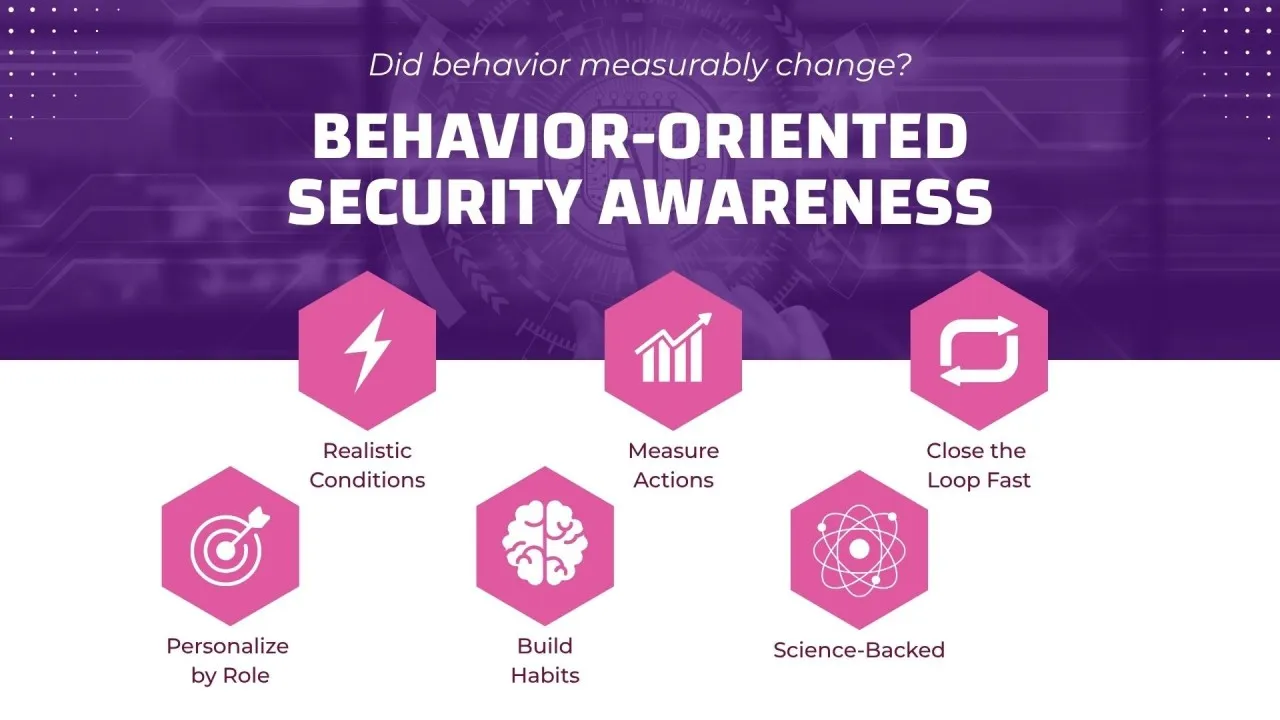
Graphic "Behavior-Oriented Security Awareness" with six principles, from realistic conditions and measuring actions to habits
human-riskWhat is Behavior-Oriented Cybersecurity Awareness?

Behavior-oriented awareness measures success by observable change in risk behavior, not by knowledge completion, positive feedback scores or course consumption. It treats employees as human decision systems – not as information storage units.