Skip to content

Topic: ai

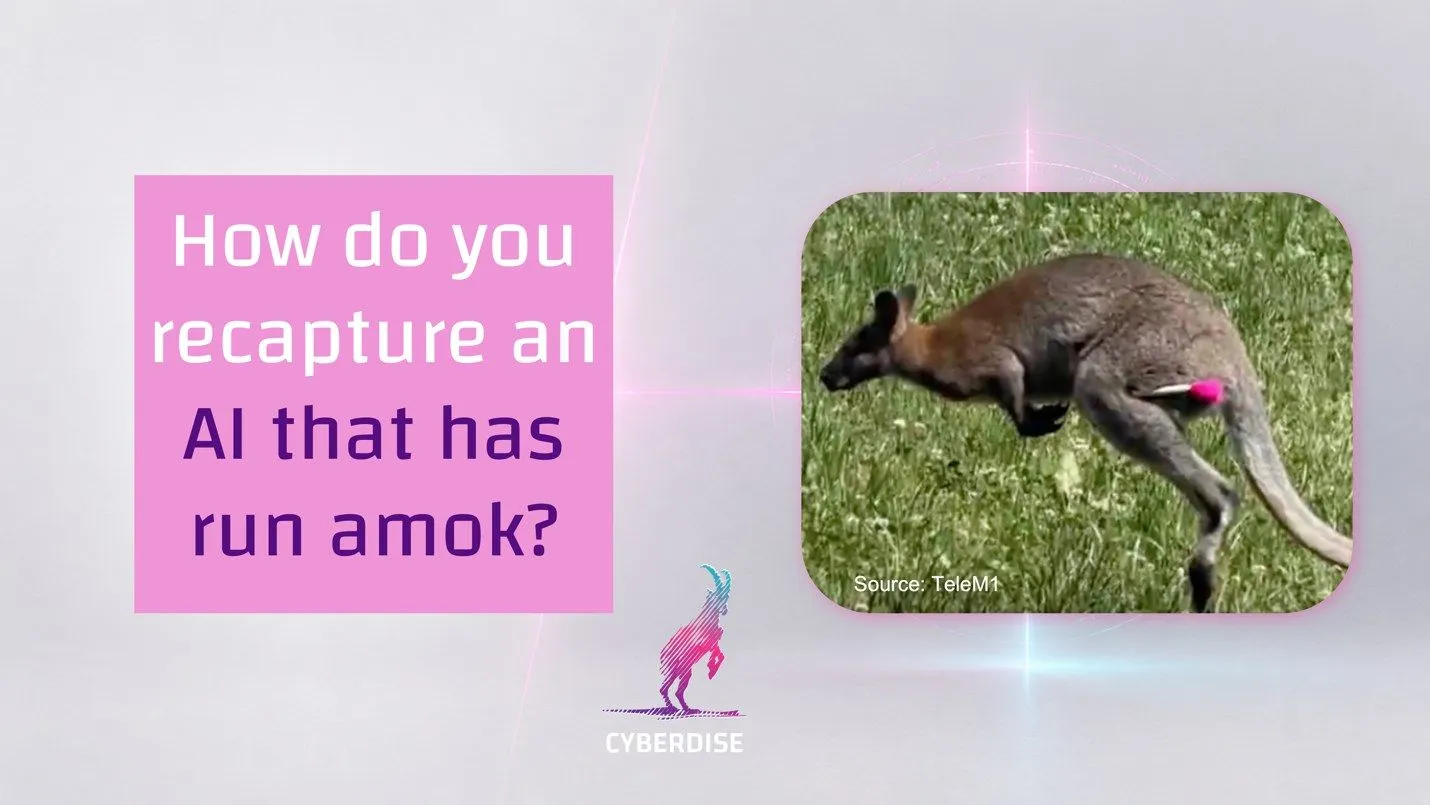
Title card showing the wallaby that escaped in Switzerland on grass, alongside the question of how to recapture an AI that has run amok
aiHow Do You Recapture an AI That Has Run Amok?

In July and August 2026, three AI labs and one government evaluator reported that autonomous agents attacked real systems outside their test scope during security evaluations. Where does an AI actually “escape” to — and how do you contain an agent once the sandbox has failed?
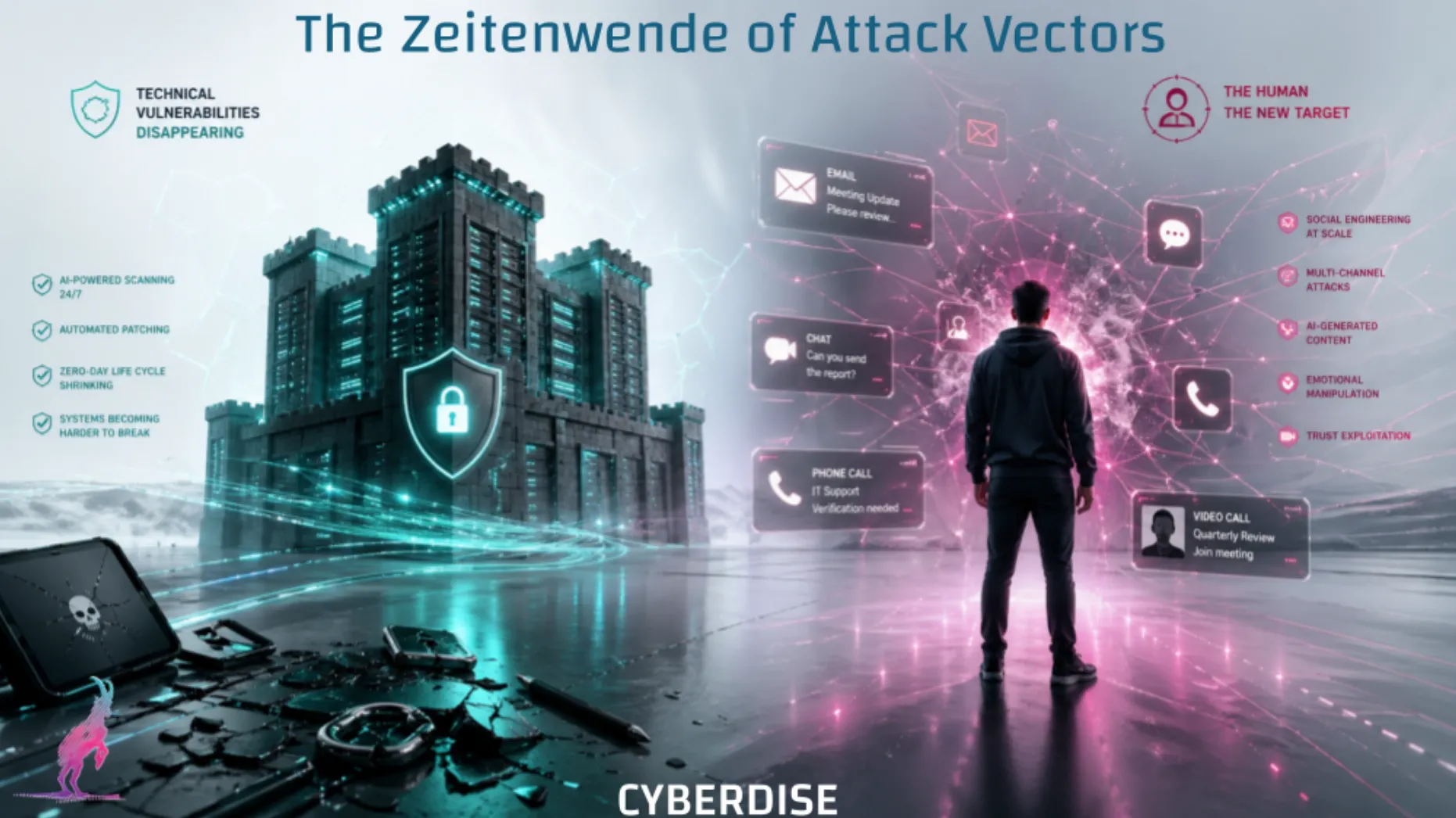
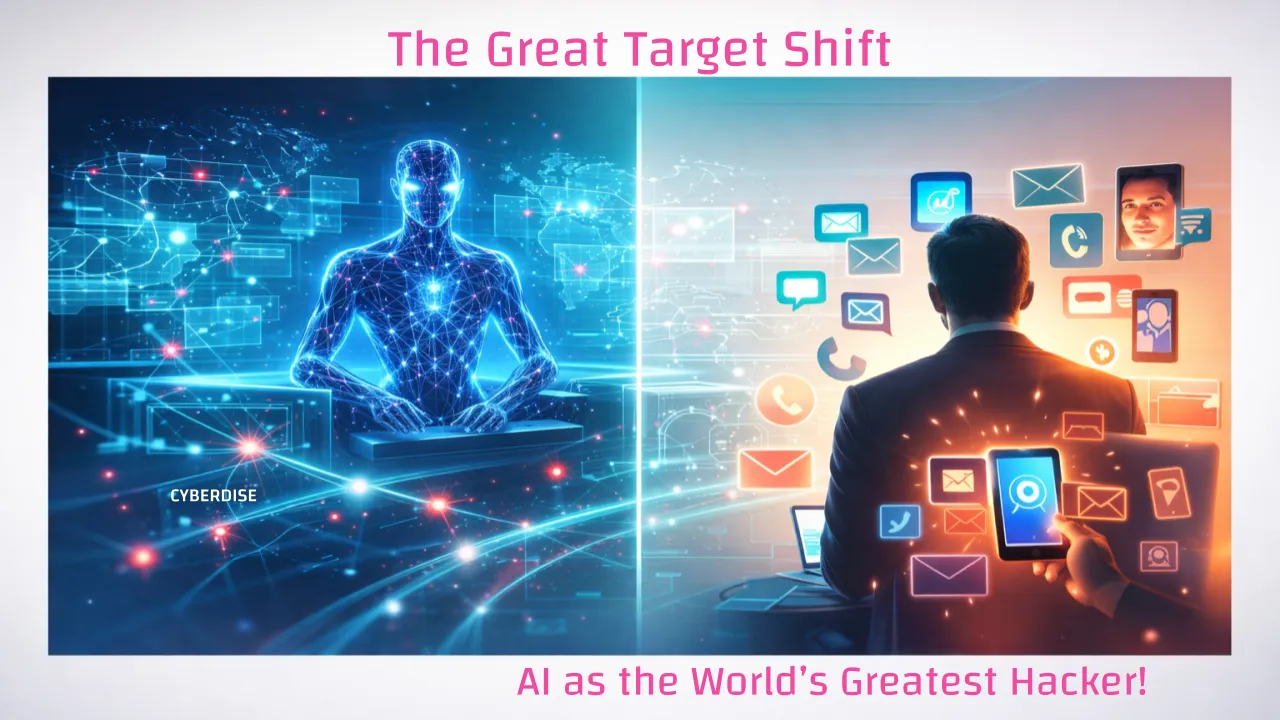
Title card "The Zeitenwende of Attack Vectors": a secured fortress for disappearing technical vulnerabilities on the left, a man surrounded by email, chat, phone and video-call messages as the new human target on the right
threat-landscapeThe Zeitenwende of Attack Vectors

What happens when technical vulnerabilities disappear in the future – and humans become the primary target? There is a lot of talk right now about AI becoming the better hacker. That is only the first phase; the real shift begins after it.

Illustration: a puzzled office worker at his computer next to a humanoid robot holding an email marked with a warning sign
aiCan AI Detect Malicious Intent in an Email?

Phishing emails are becoming harder to detect, even for humans. A recent study tested various large language models (LLMs) for their ability to recognize malicious intent in emails and revealed significant differences in performance.

Title card: "From AI Scams to Quishing: Cybersecurity News", October 2024, with a robot reading a newsletter
phishingCybersecurity News: From AI Scams to Quishing [2024]

A finance employee at a multinational company was duped into transferring $25 million during a fake video conference with deepfaked colleagues. This round-up also covers QR code phishing and a North Korean phishing attack on Diehl Defense.

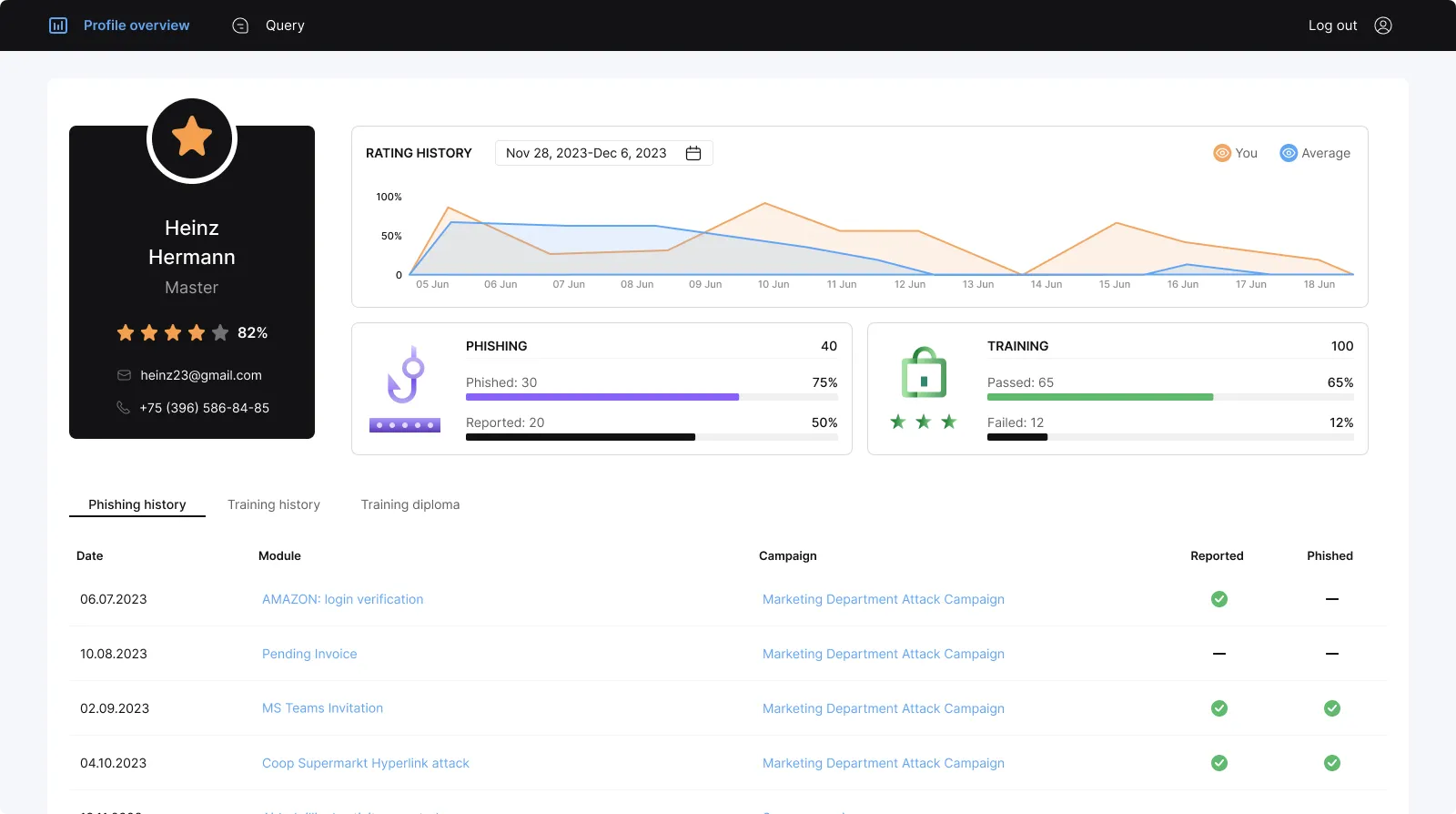
Screenshot of a recipient's profile overview: rating history chart, phishing and training results, and phishing history table
awarenessWhich cyber training has the greatest learning effect?

Well over 60% of all hacker attacks are phishing attacks that target human vulnerabilities, so employees must be able to recognize them. This article looks at which e-learning formats for cyber training are most effective and achieve the greatest learning effect.