Skip to content

Topic: phishing

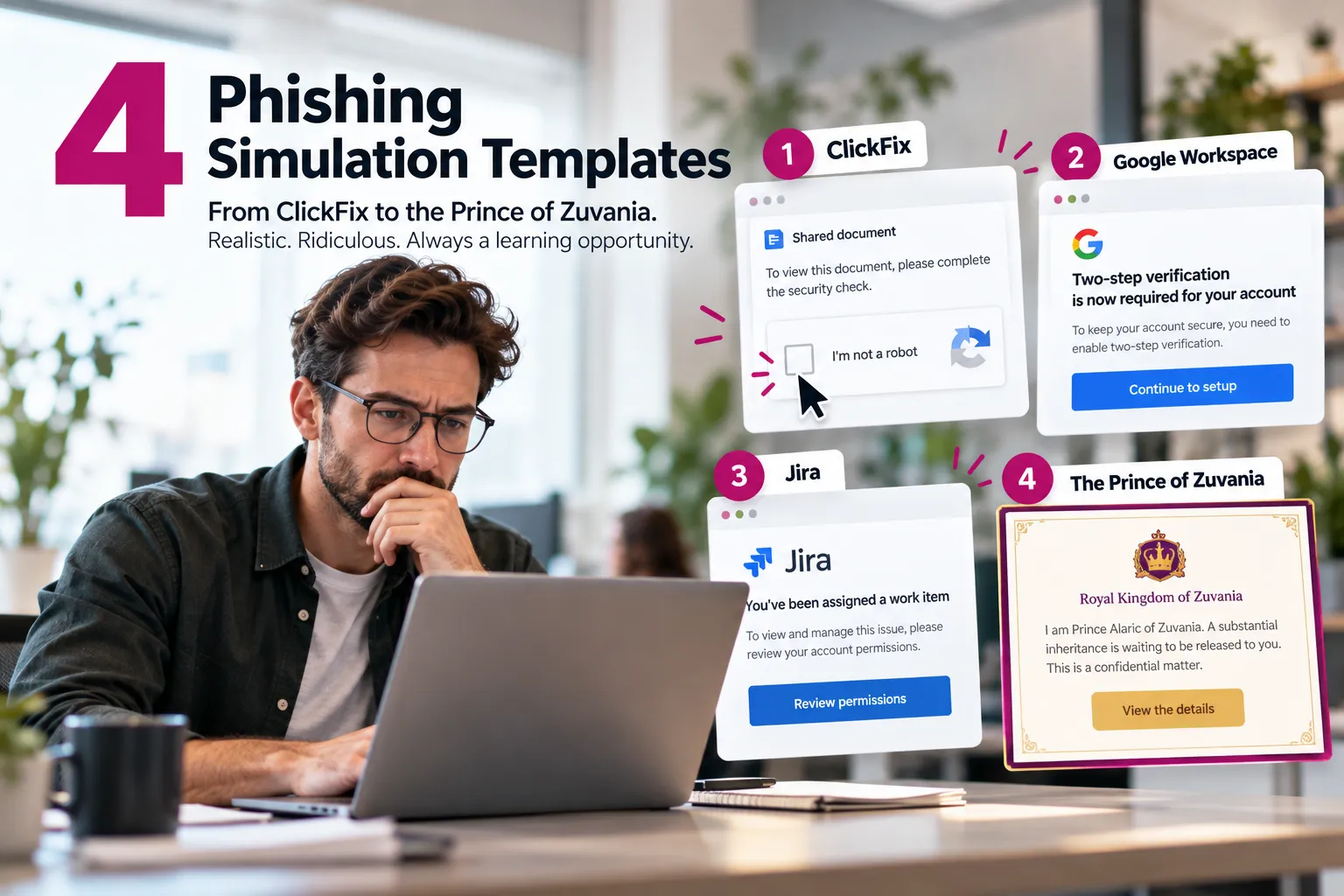
Two CYBERDISE phishing simulation templates: a shared document behind a fake Cloudflare CAPTCHA (ClickFix), and a fund release portal from the fictional Royal Kingdom of Zuvania
phishing4 Phishing Simulation Templates for Human Defense Month 2026

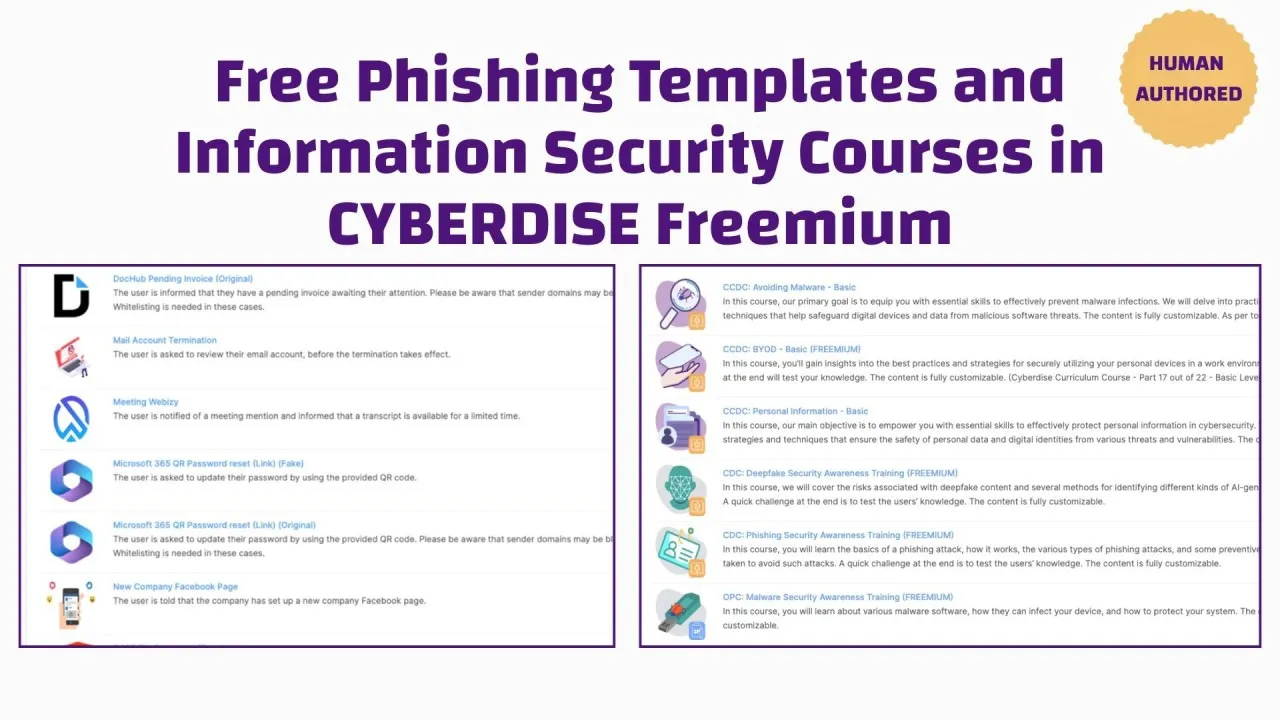
From ClickFix to the Prince of the Royal Kingdom of Zuvania ;-) Four phishing simulation templates for Human Defense Month 2026, ready to import into CYBERDISE. Because phishing doesn’t always have to be boring.
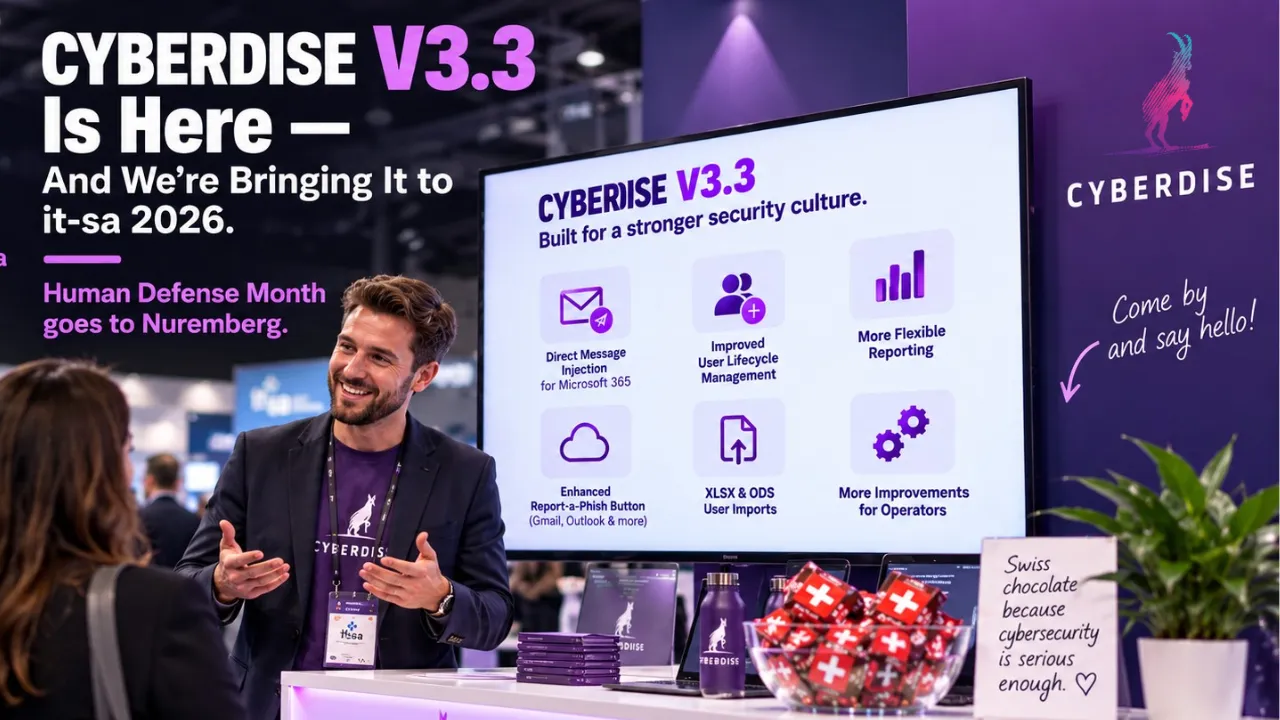
CYBERDISE V3.3 release banner with it-sa 2026 booth details, Hall 7, Booth 301a
productCYBERDISE V3.3 Is Here - And We’re Bringing It to it-sa 2026

CYBERDISE V3.3, our Human Defense Month release, is out: direct Microsoft 365 delivery for phishing simulations, a more flexible Report-a-Phish button and easier user imports. See it live at it-sa 2026 in Nuremberg, 27–29 October, Hall 7, Booth 301a.

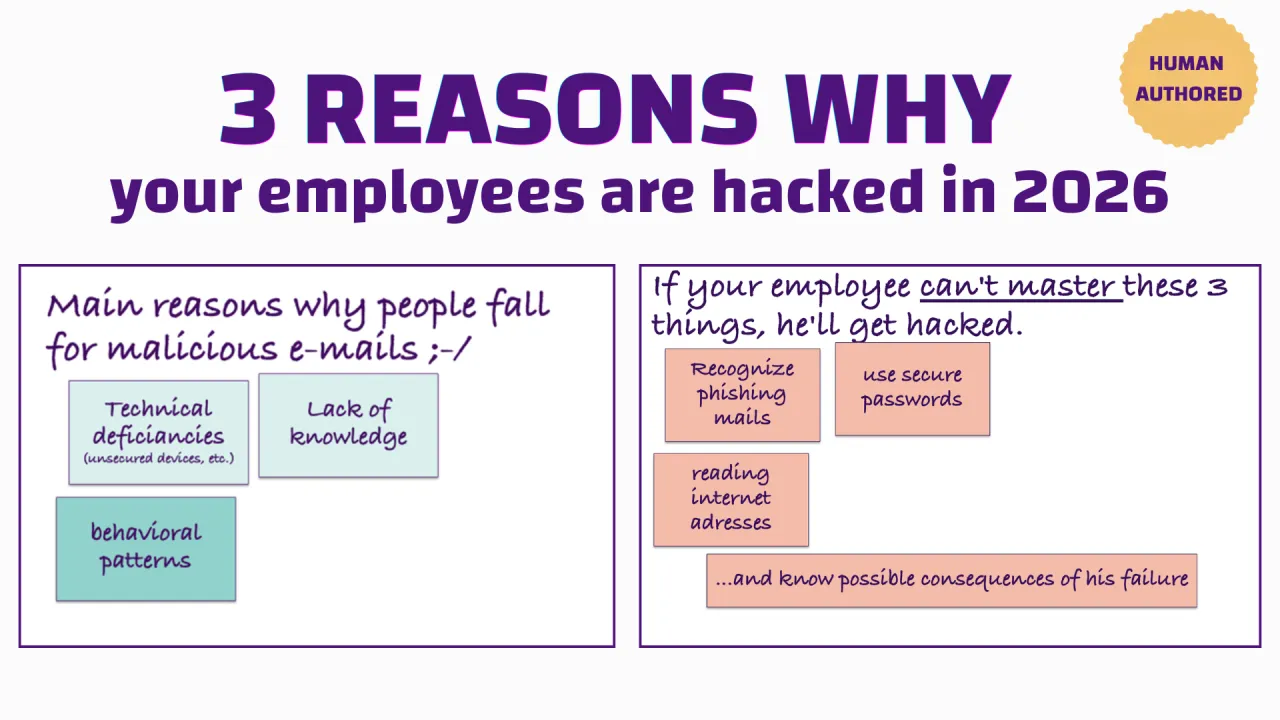
Title card "3 Reasons Why your employees are hacked in 2026": notes naming the main reasons (technical deficiencies, lack of knowledge, behavioral patterns) and the three things employees must master (recognize phishing mails, use secure passwords, read internet addresses)
human-riskThe Three Reasons Why Employees Get Hacked

Nearly half of all successful cyberattacks start with a negligent employee. Search engines will tell you it comes down to phishing, weak passwords and careless data handling. Look closer and all three say the same thing: this is about people.

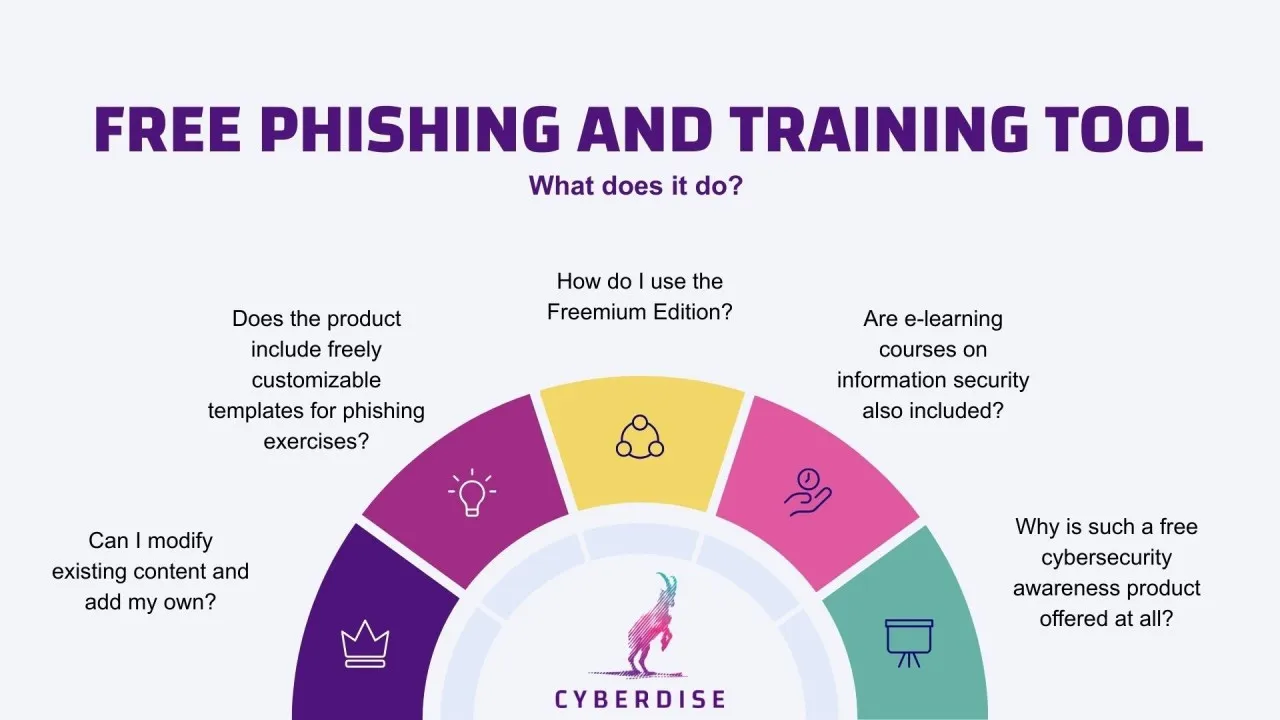
Graphic "Free Phishing and Training Tool – What does it do?" with five questions about the Freemium Edition
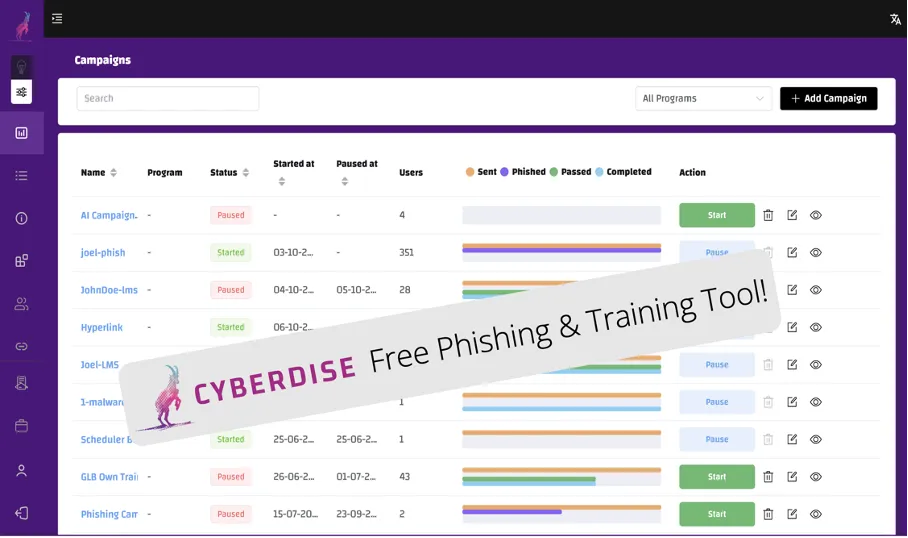
productWhat Does Our Free Phishing and Training Tool Do?

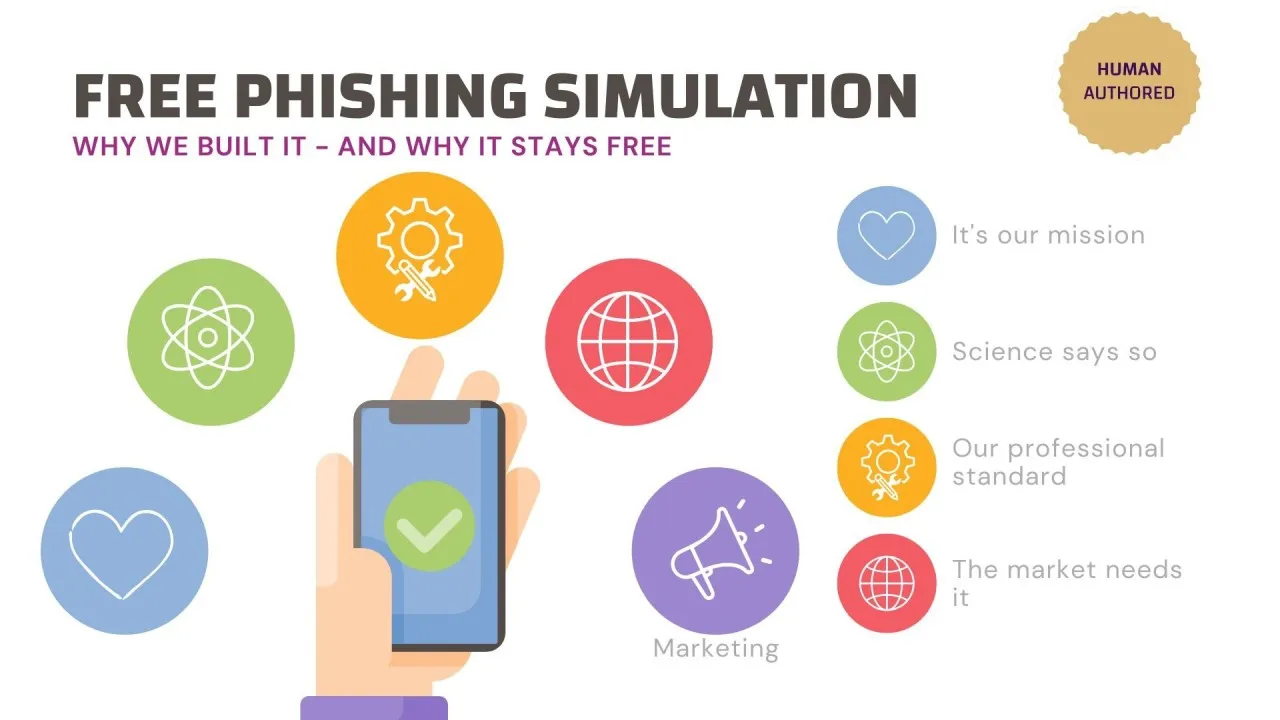
The CYBERDISE Freemium Edition is a free phishing tool and learning environment: technically speaking, an attack simulator and a lean LMS with a content editor and user management. Here are the answers on what it includes, what it needs to run and where its limitations are.

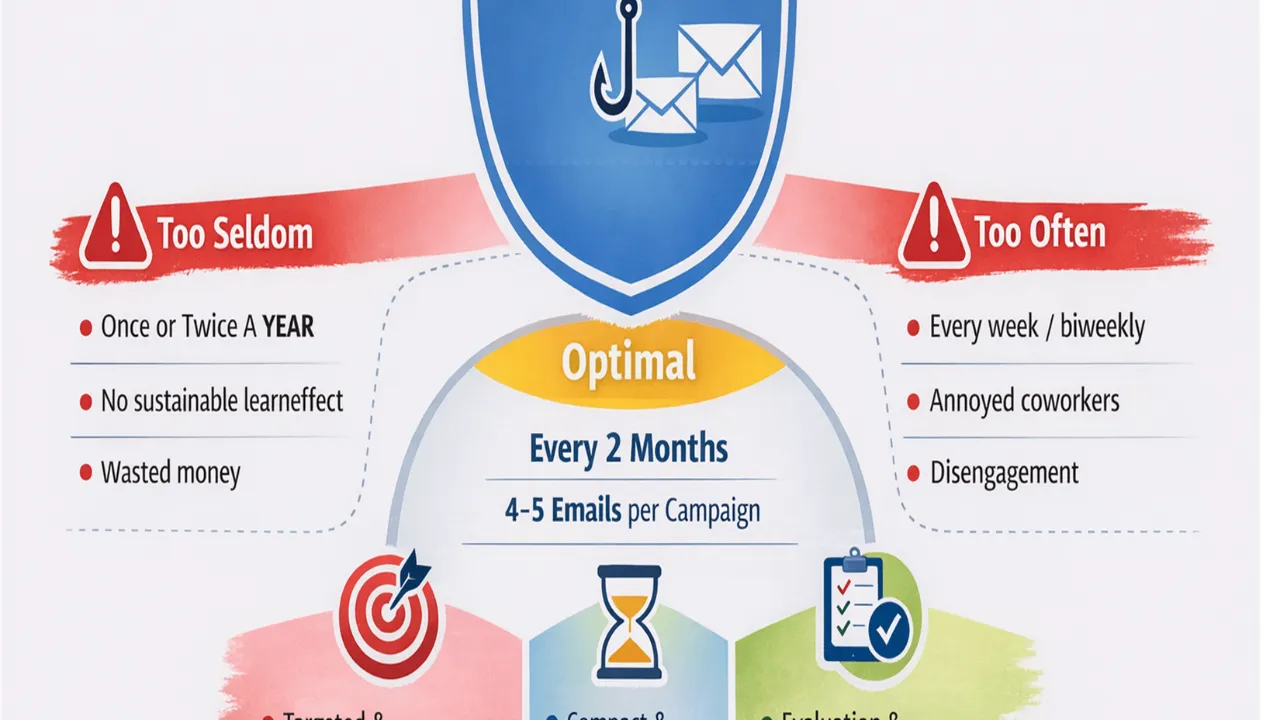
Infographic on phishing simulation frequency: once or twice a year is too seldom, weekly too often, every 2 months optimal
phishingHow Often and How Fast Should I Phish My Colleagues in 2026?

How many phishing simulations to run and how often users should face cybersecurity eLearning is a recurring question in awareness programs – and far from academic. A sensitization effect begins to crumble after about three months, yet it would be dangerous to derive simple, universally applicable rules from that.

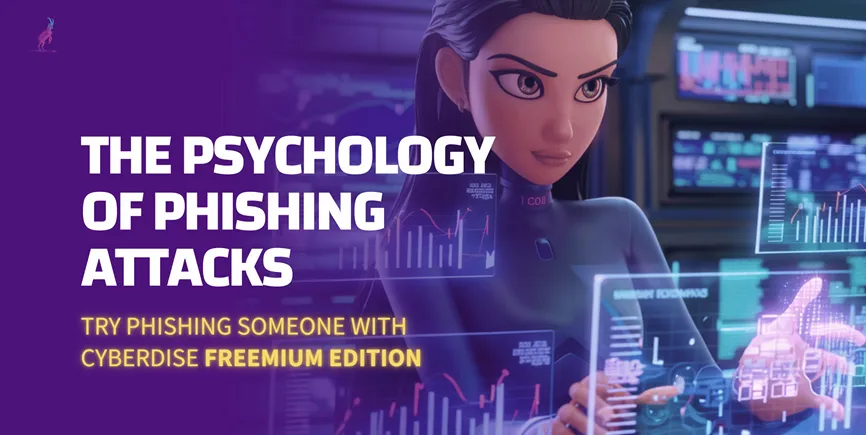
Title card "The Psychology of Phishing Attacks" with an illustrated woman in front of data screens and the line "Try phishing someone with Cyberdise Freemium Edition"
phishingPsychology and Phishing Attacks

Phishing attacks rely heavily on psychological tricks, which is why understanding these tactics matters for cybersecurity awareness. Nearly half (47%) of successful attacks still happen because of careless employees.

Title card: "From AI Scams to Quishing: Cybersecurity News", October 2024, with a robot reading a newsletter
phishingCybersecurity News: From AI Scams to Quishing [2024]

A finance employee at a multinational company was duped into transferring $25 million during a fake video conference with deepfaked colleagues. This round-up also covers QR code phishing and a North Korean phishing attack on Diehl Defense.