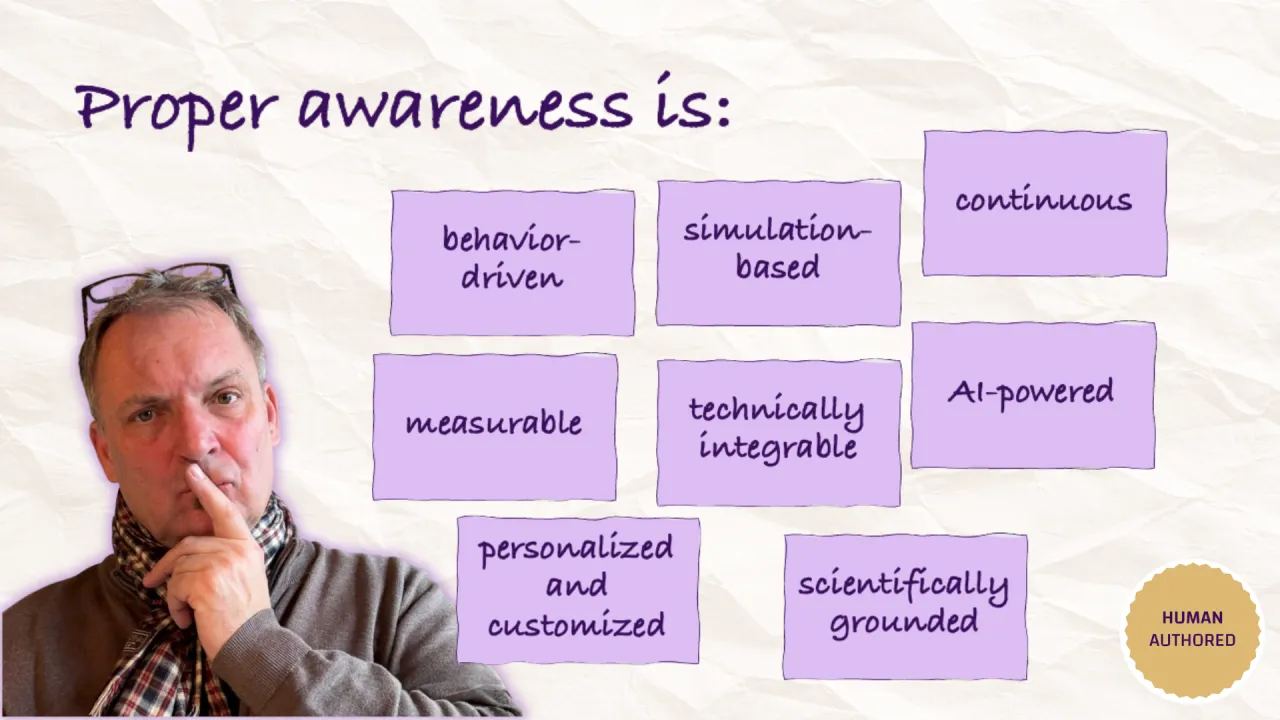
awarenessWhat is Proper Cybersecurity Awareness?
An entire industry often offers customers products and services with little benefit. In the cybersecurity awareness market, they often do not aim to change behavior.
An entire industry often offers customers products and services with little benefit. In the cybersecurity awareness market, they often do not aim to change behavior.
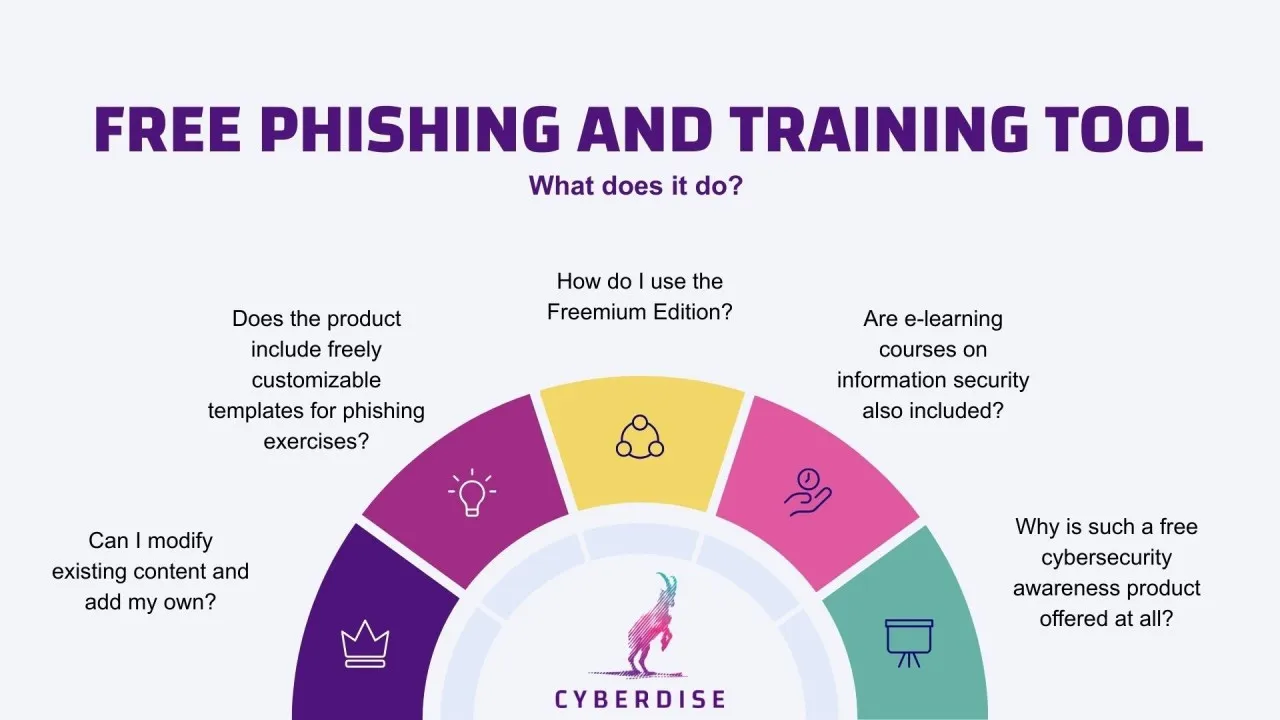
The CYBERDISE Freemium Edition is a free phishing tool and learning environment: technically speaking, an attack simulator and a lean LMS with a content editor and user management. Here are the answers on what it includes, what it needs to run and where its limitations are.
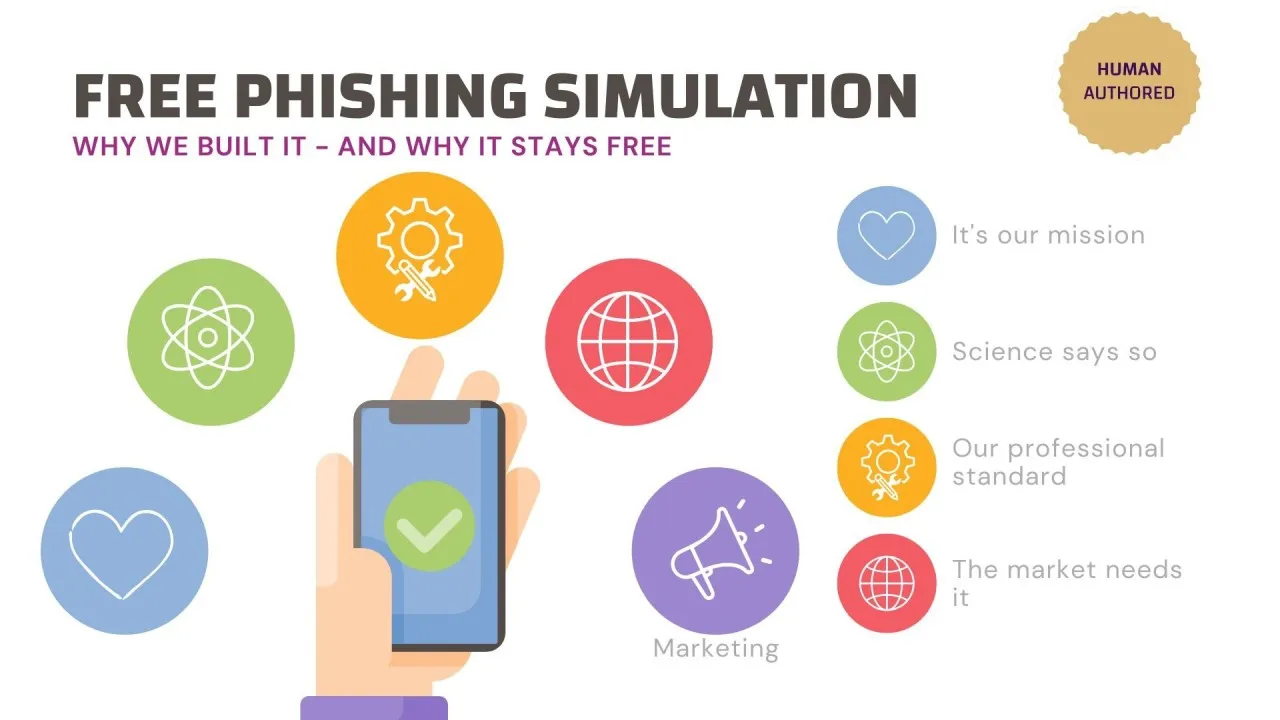
We provide a free solution for phishing simulations and cybersecurity training. Our motivation is about effectiveness, the market and our own standards – and marketing is not the primary purpose, but a side effect.
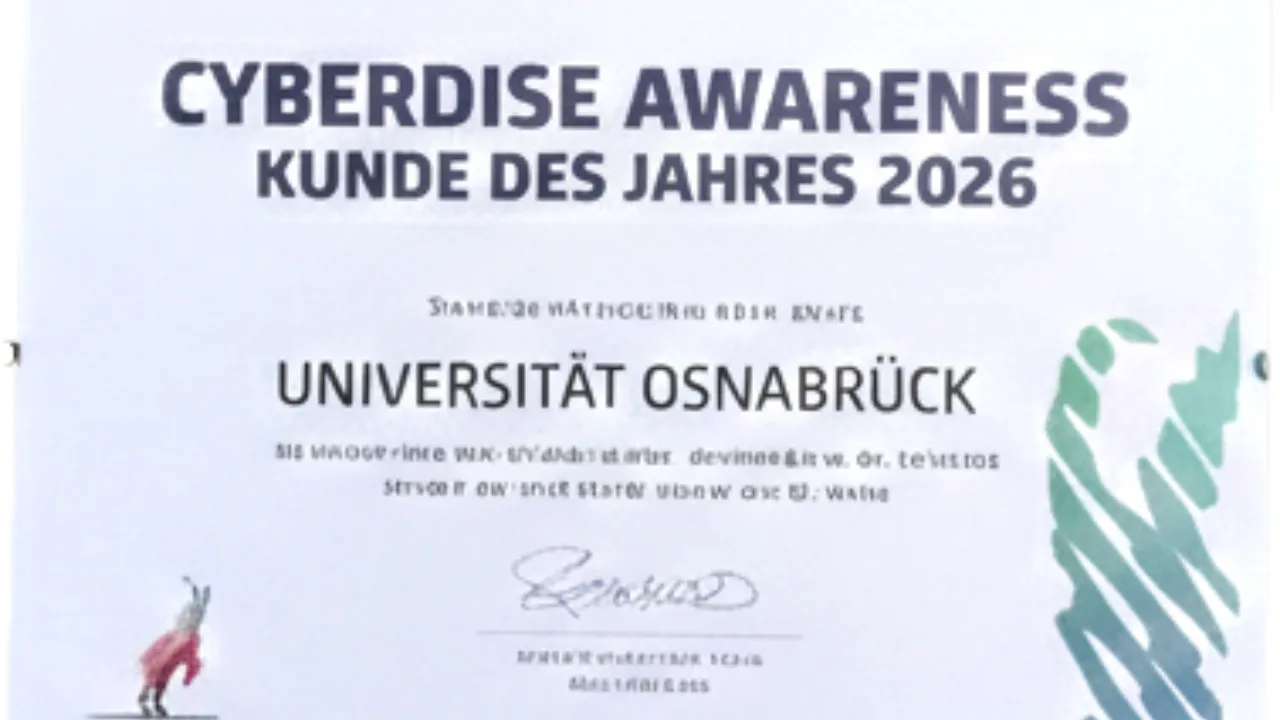
Our internal selection committee quickly reached consensus on who should receive this award: the University of Osnabrück. It receives the “Awareness Customer of the Year 2026” award for the exemplary implementation of CYBERDISE in an on-premise configuration.
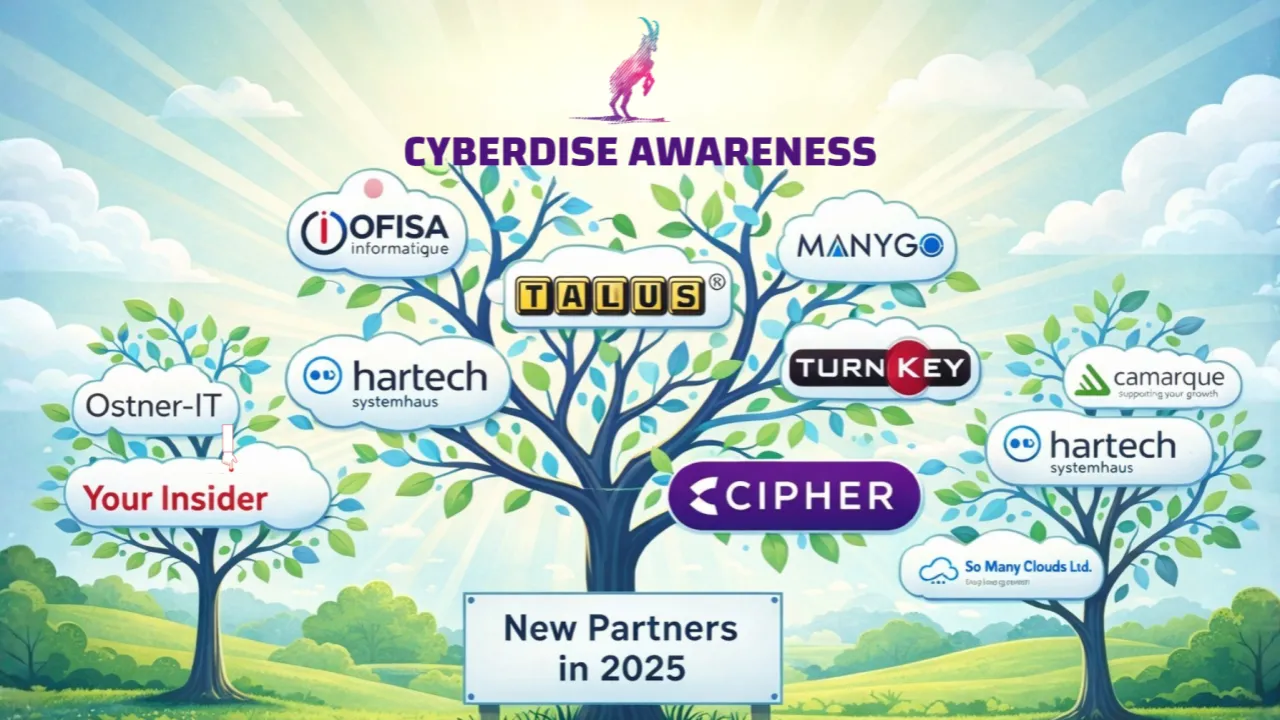
In 2025, CYBERDISE won 10 new partners and 400,000 new users under license, yet missed its targets by a significant margin. Only conversations with colleagues showed that what the team achieved in 2025 was extraordinary.
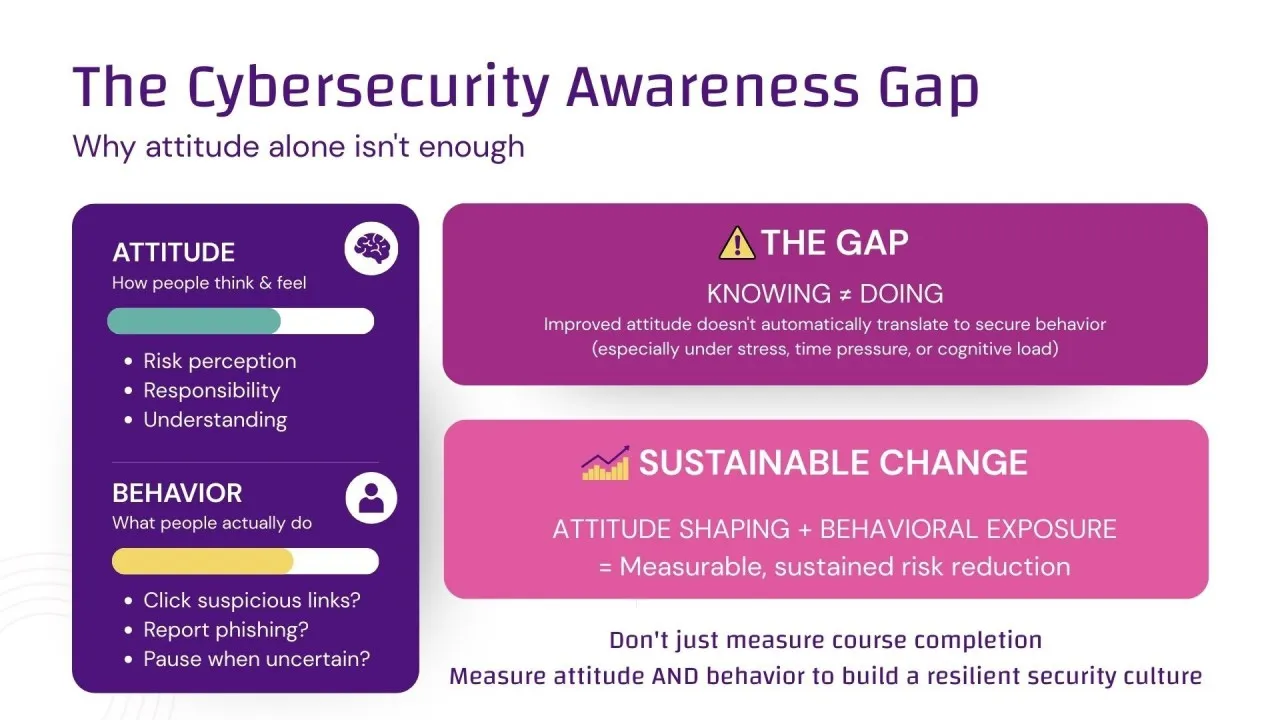
Attitude and behavior are related, but they are not the same. Confusing them is one of the main reasons why many awareness programs fail to deliver lasting risk reduction.
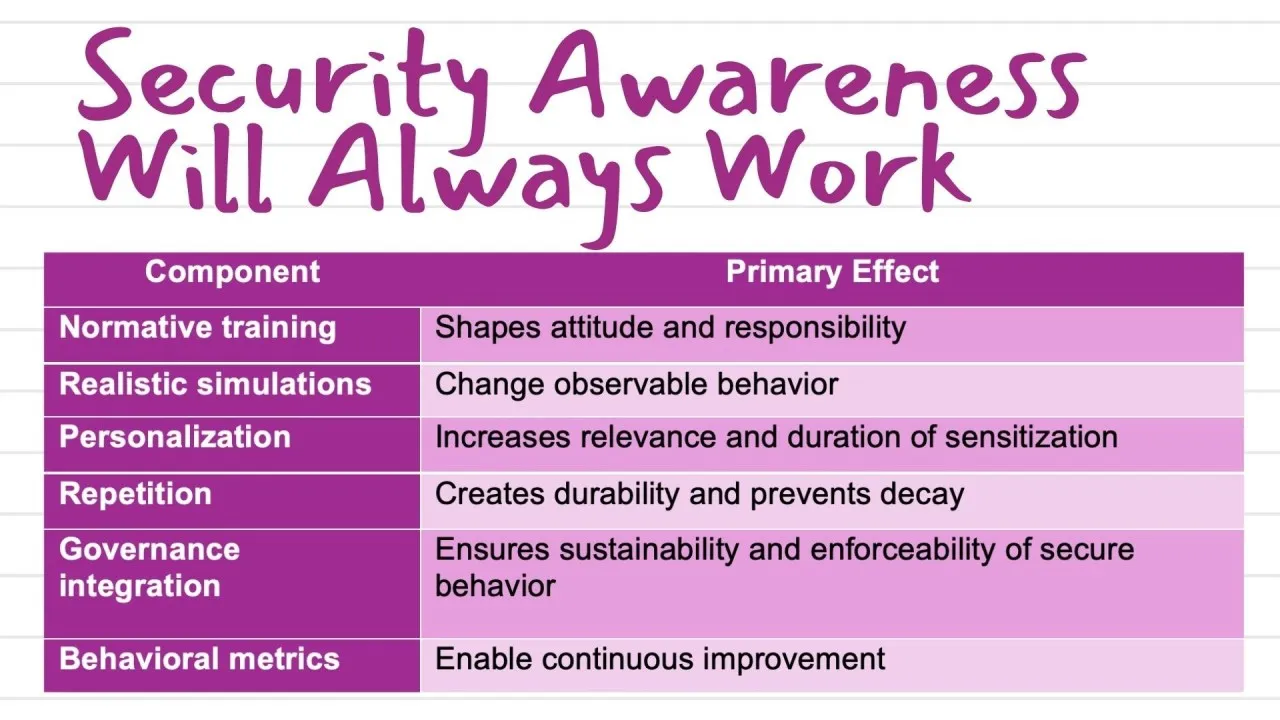
A Wall Street Journal article drawing on the study “Understanding the Efficacy of Phishing Training in Practice” questions whether phishing simulations and awareness training lead to meaningful risk reduction. A growing body of empirical research shows that well-designed awareness programs do improve real-world cyber risk behavior; what often fails is a narrow interpretation of what awareness is, how it should be embedded and how success should be measured.
Like any other project, a cybersecurity awareness program can get off to a very bumpy start when it begins with an inappropriate mindset and management fails to recognize the value of awareness. We examined the mistakes and false expectations documented in a USENIX study and compared them with our own experience.
October marks Cybersecurity Awareness Month, a time to remember that people remain the weakest link in cyber defense. This article traces how security awareness has evolved and what building a strong cybersecurity culture has in common with building a winning hockey team.
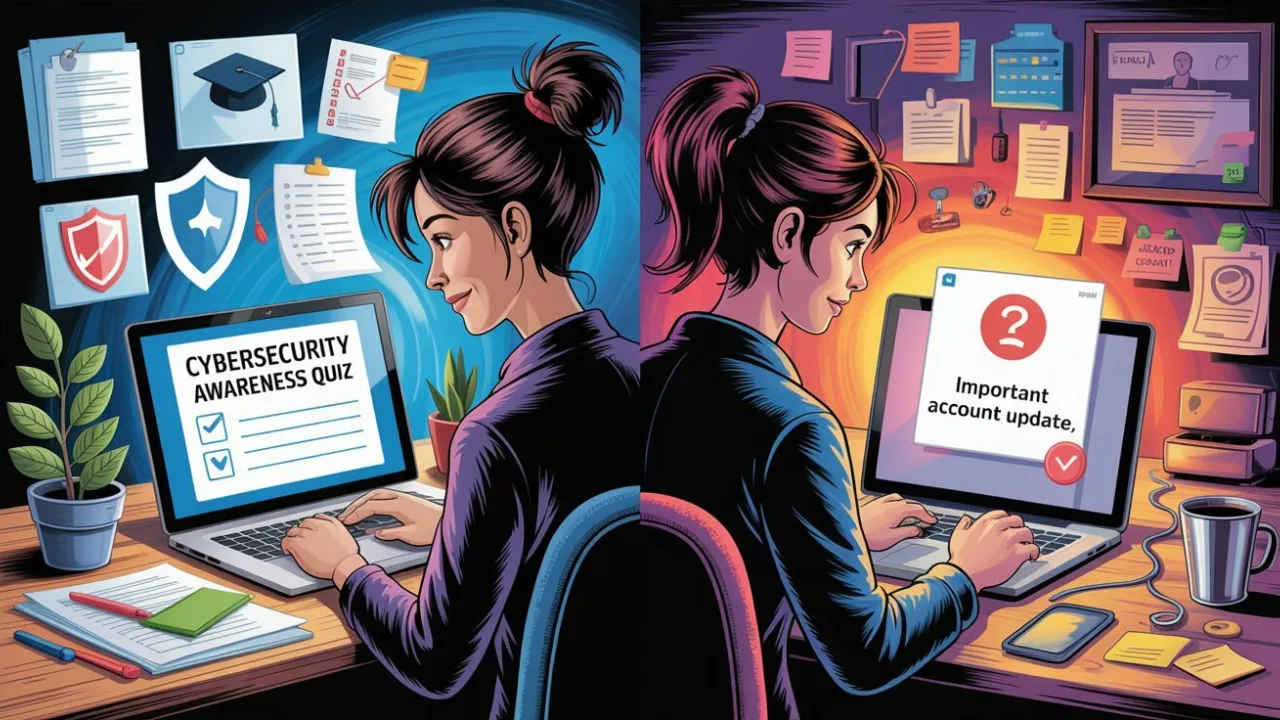
Despite comprehensive security awareness training, many organizations still have cybersecurity breaches resulting from human error. This article is about the gap between risk attitude (knowing what is risky) and risk behavior (actually acting securely).
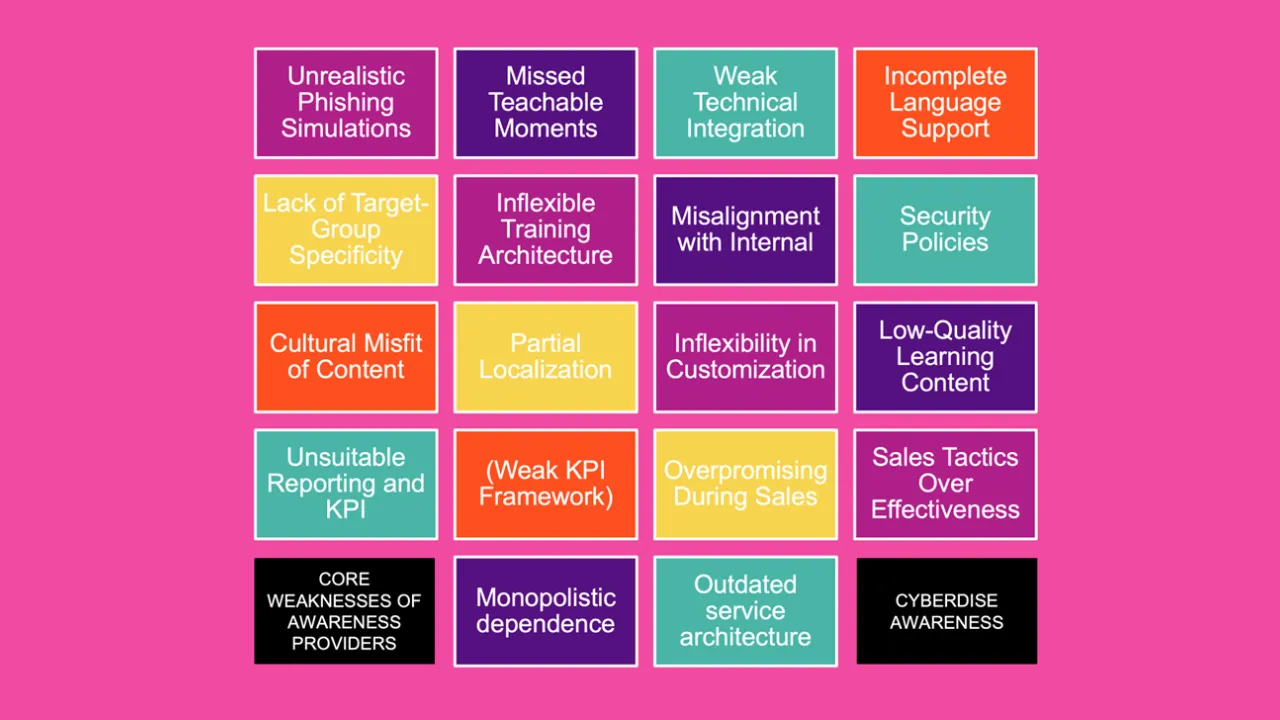
Many security awareness providers and solutions cannot cover what their customers require. This article lists their common weaknesses and the practical steps larger organizations can take to address them.
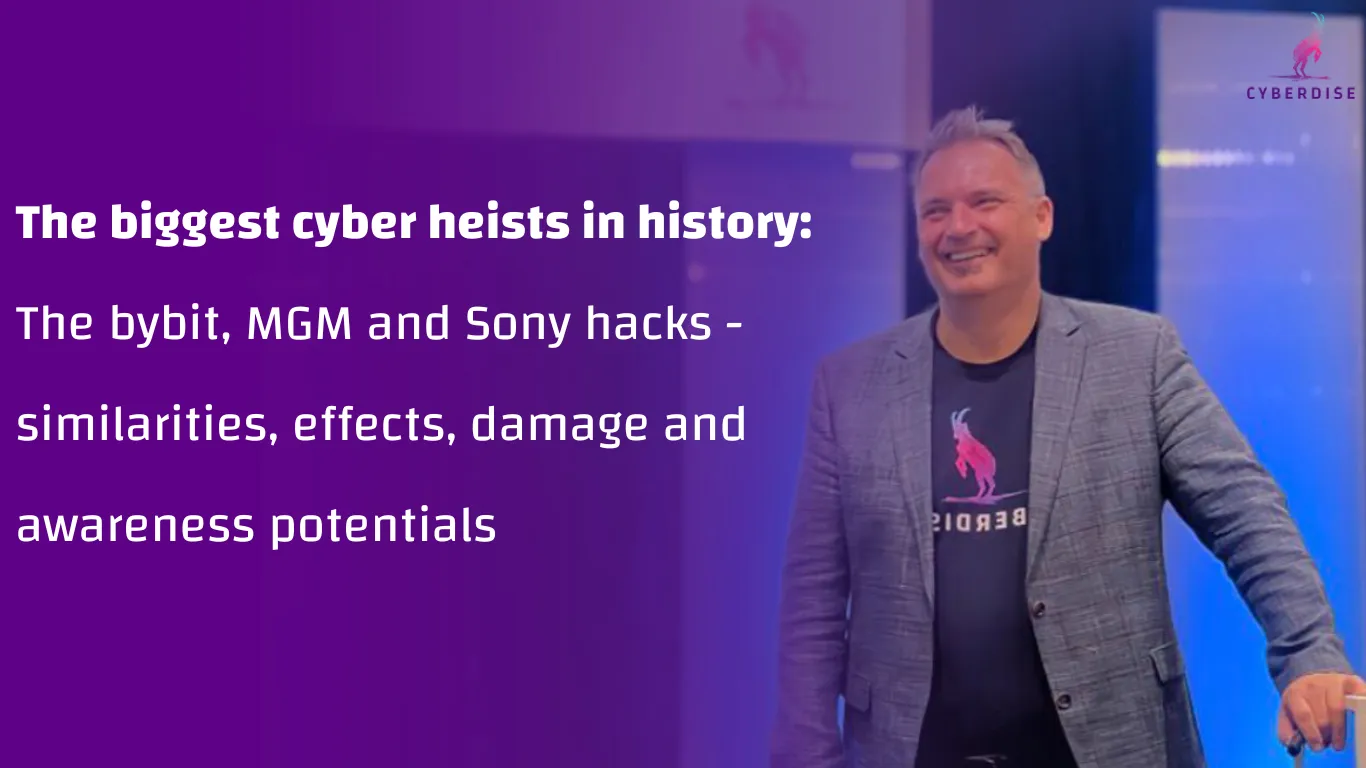
In our irregular series on the biggest cyber heists in history, this post analyzes the Bybit, MGM and Sony hacks: what happened, how it happened, who noticed it, what damage was done and what the consequences were. At the end, we compare the cases and consider what could have been done better, also from a cybersecurity awareness perspective.