Skip to content

Blog

Research, guides and category thinking on Behavioral Defense.

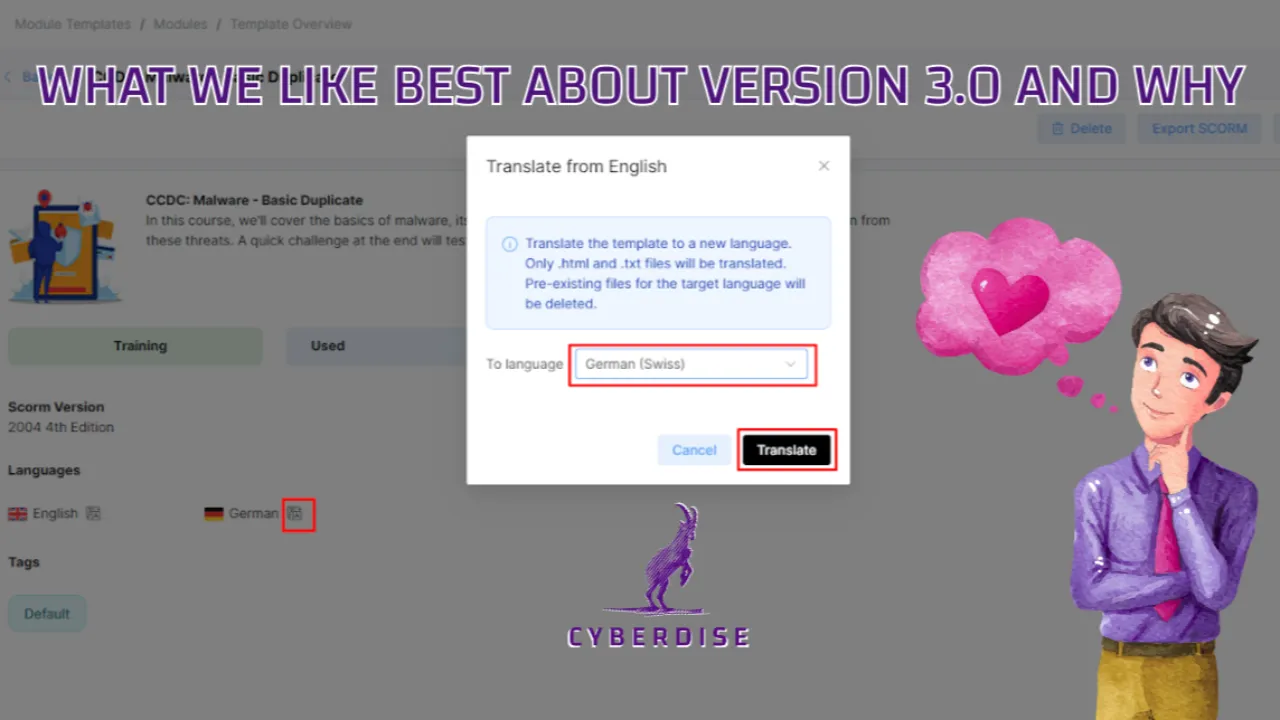
Title card: "What we like best about version 3.0 and why" over the "Translate from English" dialog of a training module
productWhat We Like Best About Version 3.0 and Why

CYBERDISE 3.0 contains significant new functionality in AI phishing, LMS and training, threat reporting and message analysis, and even architectural enhancements. Here are the features we love most, and why.
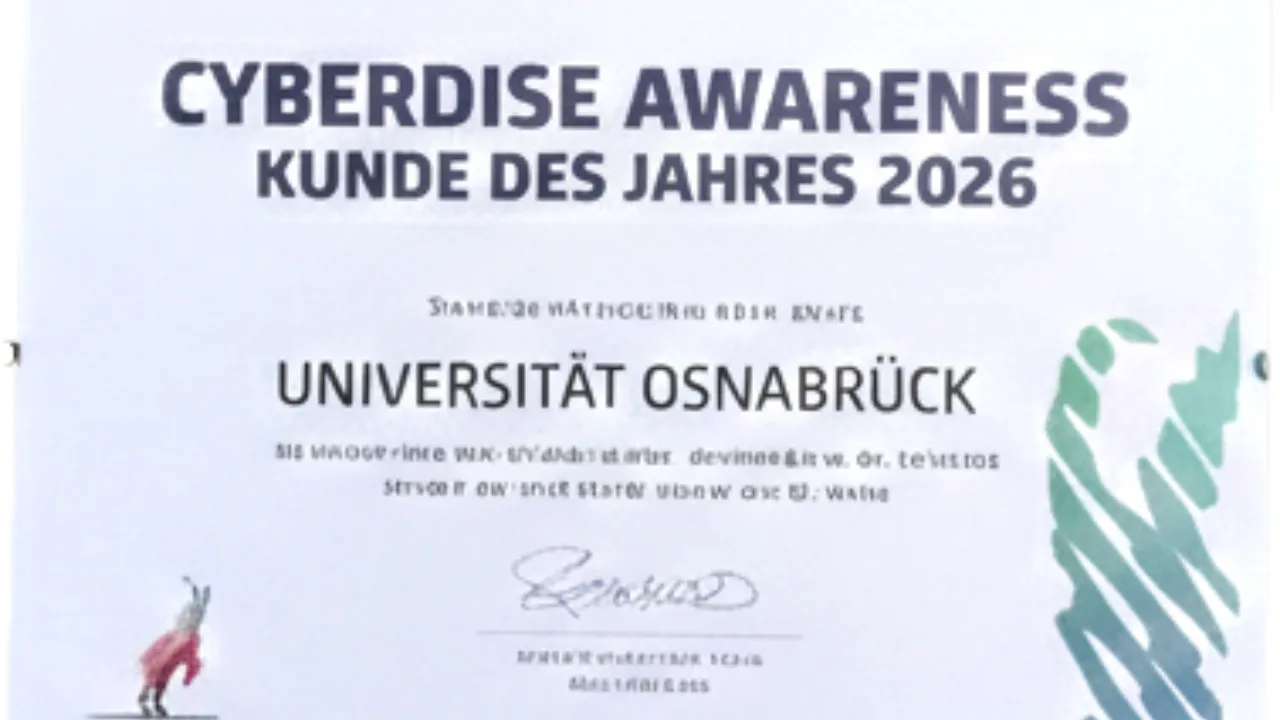
Certificate "Cyberdise Awareness Kunde des Jahres 2026" (Customer of the Year) awarded to Universität Osnabrück.
productWhy the University of Osnabrück is our Awareness Customer of the Year

Our internal selection committee quickly reached consensus on who should receive this award: the University of Osnabrück. It receives the “Awareness Customer of the Year 2026” award for the exemplary implementation of CYBERDISE in an on-premise configuration.

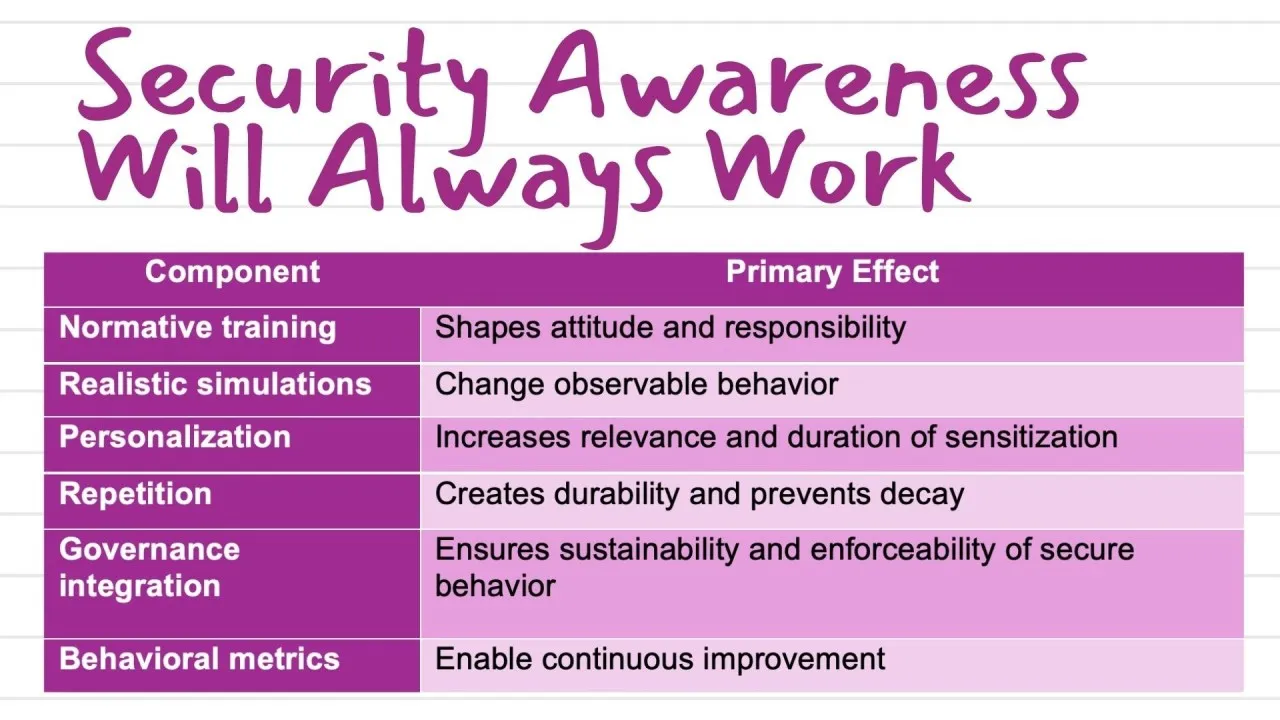
Graphic "Security Awareness Will Always Work": table of six awareness components and their primary effect
awarenessWhy Security Awareness Will Always Work – If You Build and Measure the Right Thing

A Wall Street Journal article drawing on the study “Understanding the Efficacy of Phishing Training in Practice” questions whether phishing simulations and awareness training lead to meaningful risk reduction. A growing body of empirical research shows that well-designed awareness programs do improve real-world cyber risk behavior; what often fails is a narrow interpretation of what awareness is, how it should be embedded and how success should be measured.

Webinar title card: "Which new Cyberdise feature we built in 2025 you didn't know?", speaker Sebastian Münster
productWhich new CYBERDISE Feature we built in 2025 you didn’t know about?

Modern attacks happen in seconds, but awareness teams often work in days or weeks. CYBERDISE 2025 brings together AI reconnaissance, autonomous campaign components, multi-organizational management and a revamped content ecosystem — here are the features built this year.

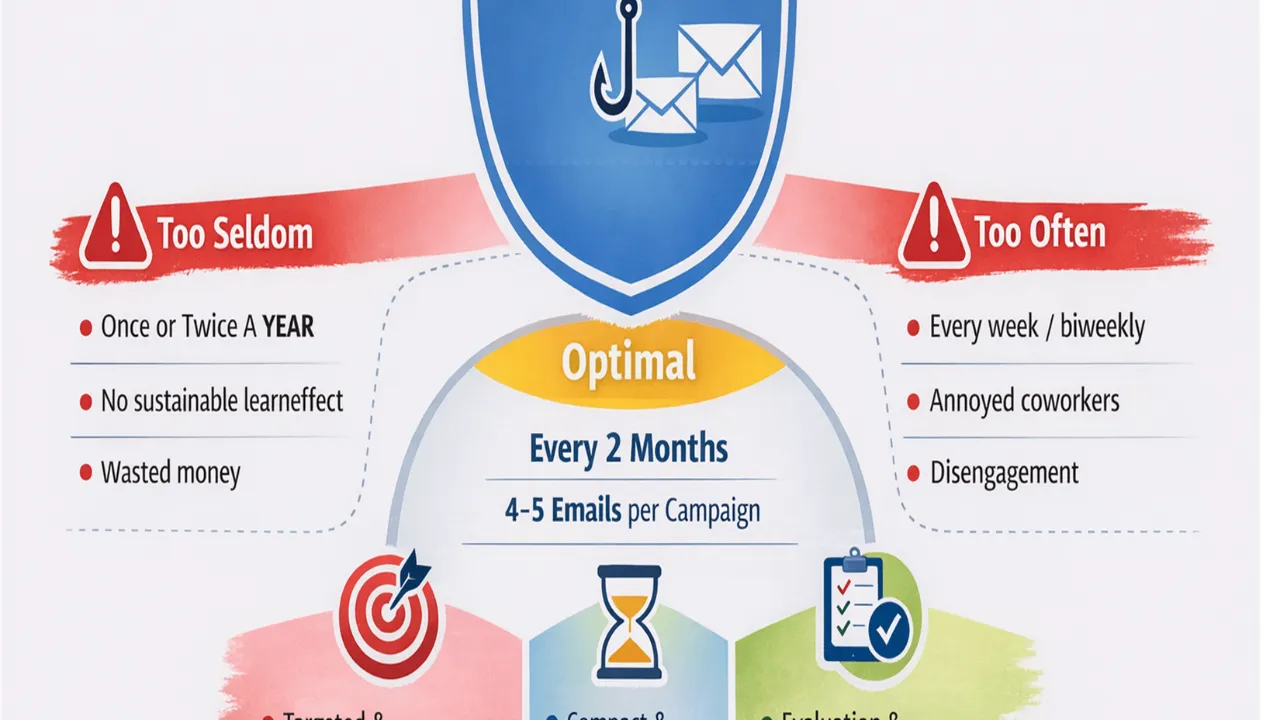
Infographic on phishing simulation frequency: once or twice a year is too seldom, weekly too often, every 2 months optimal
phishingHow Often and How Fast Should I Phish My Colleagues in 2026?

How many phishing simulations to run and how often users should face cybersecurity eLearning is a recurring question in awareness programs – and far from academic. A sensitization effect begins to crumble after about three months, yet it would be dangerous to derive simple, universally applicable rules from that.

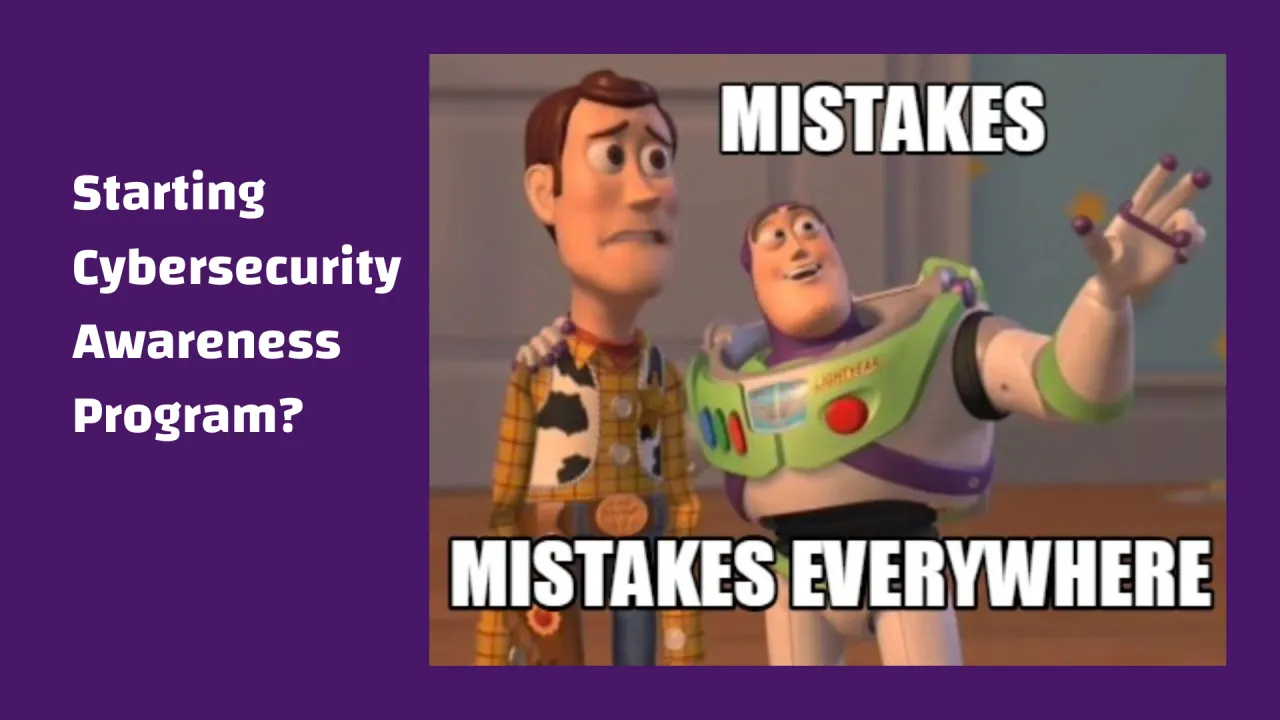
Meme: "Starting Cybersecurity Awareness Program?" beside Buzz Lightyear telling Woody "Mistakes, mistakes everywhere"
comparisonWhat CUSTOMERS DO WRONG when starting Cybersecurity Awareness Programs

Like any other project, a cybersecurity awareness program can get off to a very bumpy start when it begins with an inappropriate mindset and management fails to recognize the value of awareness. We examined the mistakes and false expectations documented in a USENIX study and compared them with our own experience.

Illustration: a puzzled office worker at his computer next to a humanoid robot holding an email marked with a warning sign
aiCan AI Detect Malicious Intent in an Email?

Phishing emails are becoming harder to detect, even for humans. A recent study tested various large language models (LLMs) for their ability to recognize malicious intent in emails and revealed significant differences in performance.